Deathable
Play Deathable
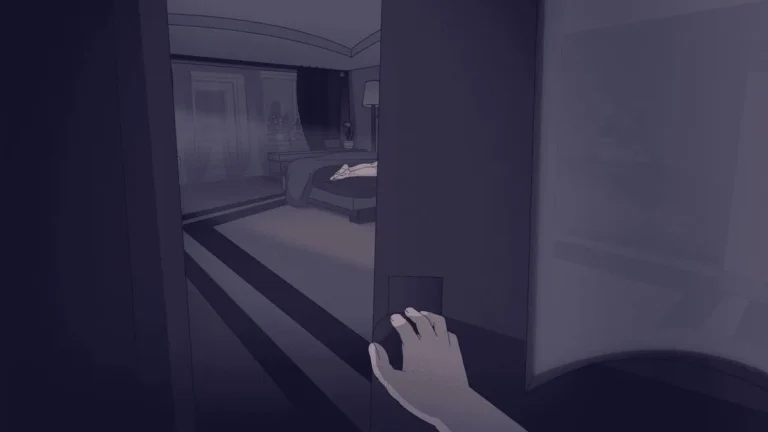
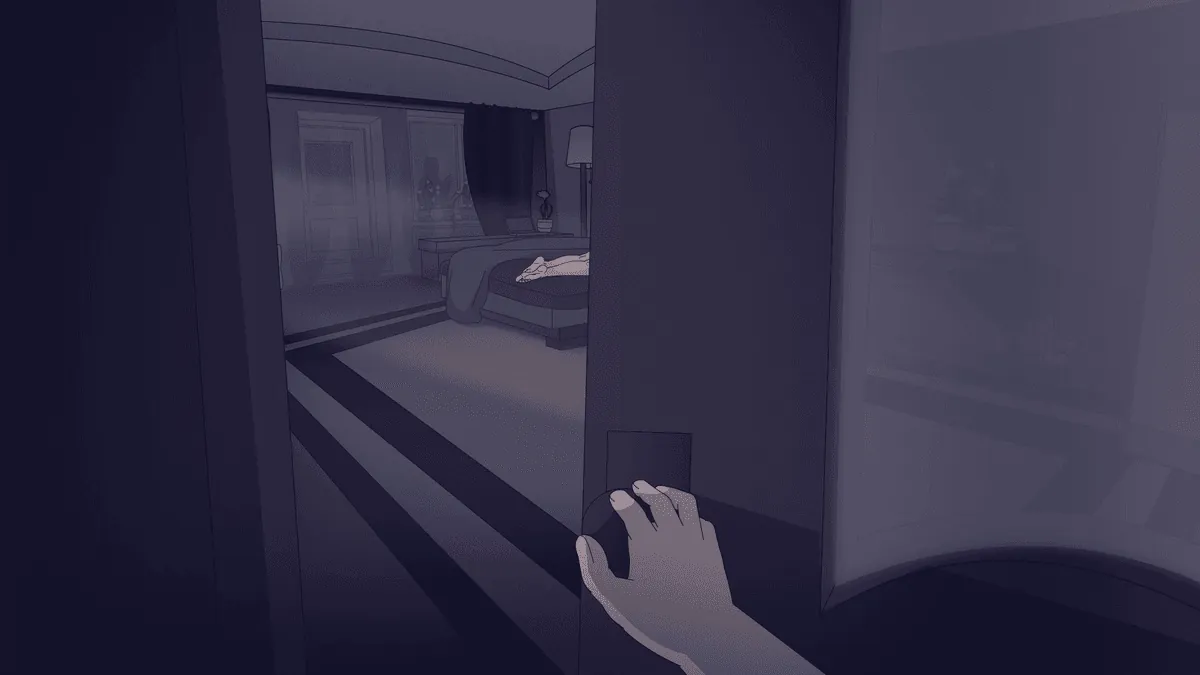
Deathable Screenshots






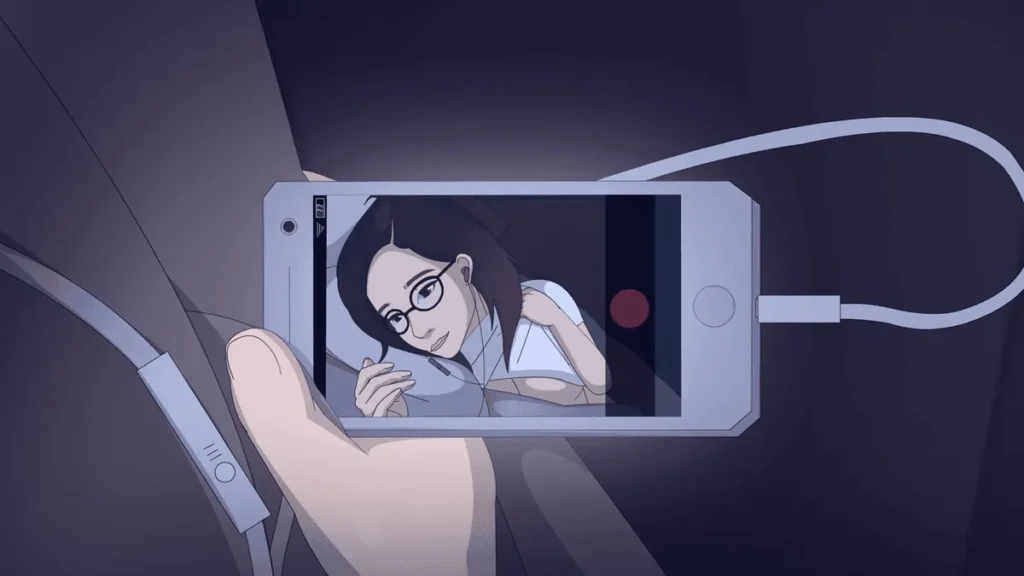

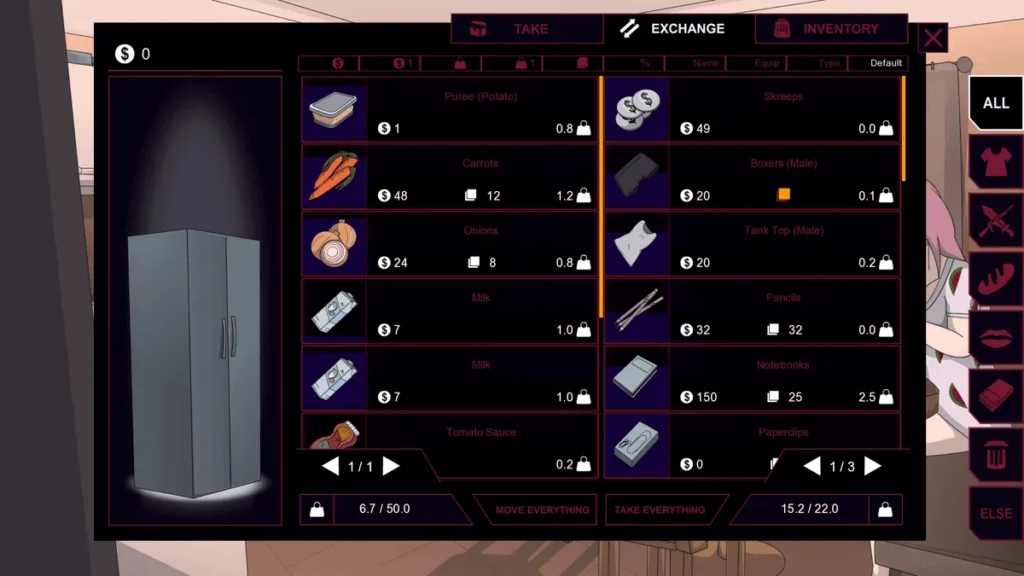

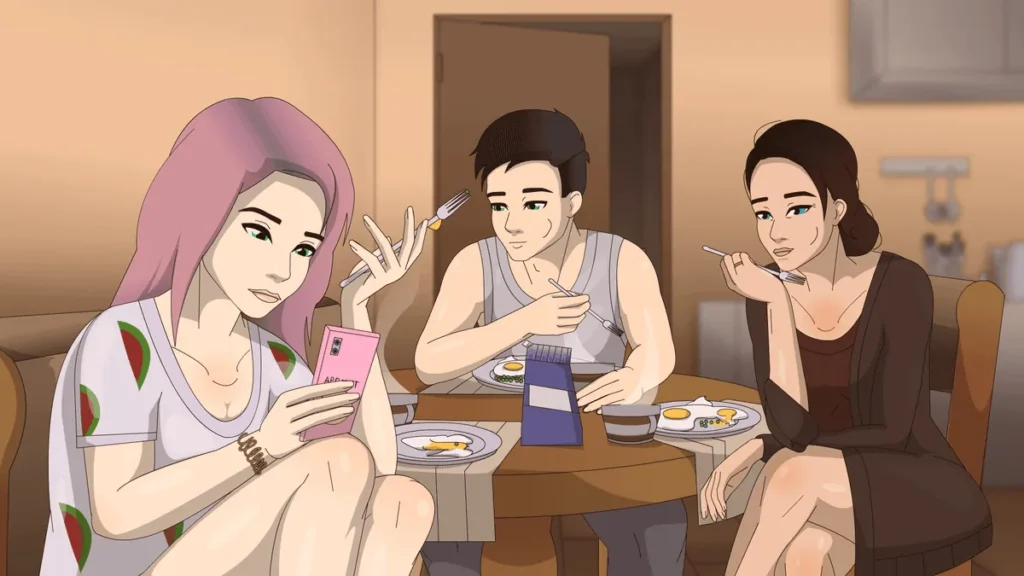
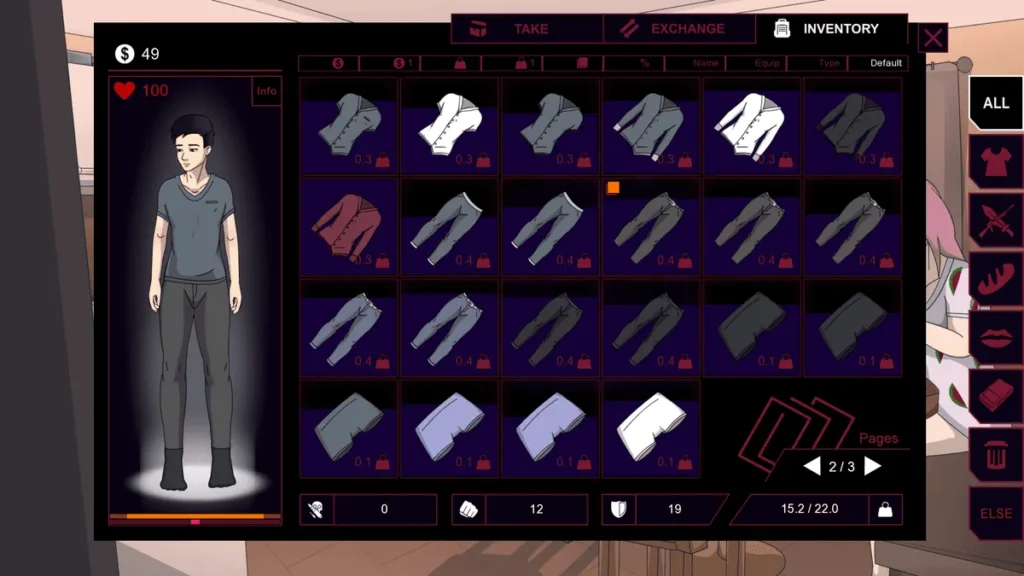
Deathable review
Explore the post-apocalyptic visual novel experience with choice-driven storytelling
Deathable stands out as a unique visual novel that combines dystopian storytelling with mature themes and player-driven narrative choices. Set in a post-apocalyptic world where monstrous creatures have emerged from the earth’s depths, the game follows two radically different characters forced into cohabitation. This guide explores everything you need to know about Deathable’s gameplay mechanics, narrative structure, character development, and installation process. Whether you’re a visual novel enthusiast or curious about choice-based storytelling games, understanding what makes Deathable compelling will help you decide if this experience aligns with your gaming preferences.
Understanding Deathable’s Core Gameplay and Narrative Structure
Let’s be honest, sometimes you just want to relax, kick back, and let a good story wash over you. But other times, you want to be the one steering the ship, your choices echoing through every twist and turn of the plot. 😌 If you’ve ever craved a game where every dialogue option feels like a genuine crossroads with real weight, then you’ve come to the right place. Welcome to the stark, intimate, and emotionally charged world of Deathable, a post-apocalyptic narrative game that redefines what a dystopian visual novel experience can be.
Forget sprawling open worlds filled with repetitive side quests. Deathable proves that the most intense battles aren’t fought with guns on a wasteland, but with words in a cramped, dusty apartment. It’s a masterclass in focused, dialogue-based decision making where your personality, your patience, and your principles are your primary tools for survival. 🧠
So, what’s the deal? The world as we know it is finished. Monstrous creatures have erupted from the earth, reducing civilization to ruins and whispers. In this aftermath, you play as a solitary survivor just trying to make it through another day. Your fragile peace is shattered when a mysterious, otherworldly entity—a paranormal guest with their own agenda—forces their way into your sanctuary. You are now stuck together. This isn’t a story about saving the world; it’s a story about seeing if two fundamentally different beings can share a world the size of a few small rooms without destroying each other—or themselves.
### What Makes Deathable a Choice-Driven Visual Novel?
At its heart, Deathable is a choice-driven visual novel, but that phrase doesn’t quite capture the delicate tension it creates. In many games, “choices” are often illusions, simple detours that merge back onto the same main road. Not here. In Deathable, the choice-driven gameplay mechanics are the foundation, the walls, and the ceiling of the entire experience. Every conversation is a potential pivot point.
Think of it like this: you’re not just picking polite or rude responses. You’re defining a relationship in real-time. Will you be compassionate towards your unwanted guest, offering them the last of your supplies? 🤝 Or will you be cold and pragmatic, guarding your resources and personal space with icy suspicion? The game doesn’t judge you for either approach, but it remembers. Your cumulative decisions build a profile of your character, influencing not just immediate reactions, but the long-term trajectory of your cohabitation and the very tone of the narrative.
This system of dialogue-based decision making creates an incredibly personal connection to the story. I remember one playthrough where I chose to share a painful memory from before the collapse. It was a small, vulnerable moment. Hours later, that same guest referenced that story in a moment of conflict, showing a surprising depth of empathy. It felt earned. It felt real. In another session, my consistently hostile choices led to a chilling, silent standoff that altered the entire final act.
The Deathable visual novel format is perfect for this. By stripping away complex action mechanics, it focuses all its energy on the narrative and your agency within it. You’re not passively watching a movie; you’re actively writing a dynamic character study with every selection you make.
Here are the key gameplay features that make this system so powerful:
- Choice Significance: Every dialogue option carries narrative weight. There are no “filler” choices. Each one nudges your relationship stat (often hidden) and locks or unlocks future branching paths.
- Intuitive Dialogue System: Conversations flow naturally. Choices appear as organic extensions of the conversation, not as obvious “Good/Evil/Sarcastic” buttons, making your role-playing more immersive.
- Multiple Endings: Your journey culminates in one of several Deathable story endings, each a direct reflection of the relationship you’ve built (or destroyed). From bittersweet parting to tragic confrontation to something resembling understanding, your finale is uniquely yours.
- Character Definition: While you don’t customize appearance, you do customize personality through your decisions. You define who this survivor is through their words and actions.
- Narrative Branching: The story isn’t on rails. Major plot revelations, character backstories, and key events can be accessed or missed entirely based on your prior character relationship choices.
### The Post-Apocalyptic Setting and World Building
When you hear “post-apocalyptic,” you might picture desolate cities, rusted cars, and bands of marauders. Deathable takes a different, brilliantly effective approach. 🏚️ The apocalypse here is a backdrop, a context, not a playground. The true post-apocalyptic narrative game experience unfolds in microcosm, within the claustrophobic confines of your apartment.
The world outside is a constant, ominous presence. You hear the distant sounds of the creatures, the occasional collapse of a far-off building. Resources are mentioned as dwindling. The despair isn’t shown through massive set pieces; it’s felt in the scarcity of food, the constant dim light, and the heavy silence between two people who represent the last remnants of a broken world. This approach makes the setting deeply psychological. The real dystopia isn’t just the monsters—it’s the isolation, the paranoia, and the struggle to remember what it means to be human when humanity seems extinct.
This intimate scale amplifies every decision. Sharing a can of food isn’t just a nice gesture; it’s a significant risk. A conversation about the past isn’t small talk; it’s a rare and fragile moment of connection in a universe that seems designed to sever them. The dystopian visual novel experience in Deathable is less about surviving the monsters and more about surviving each other, and yourself, in the crushing stillness after the end.
The world-building is delivered through environmental clues, passing comments, and the rare, tense forays outside your door mentioned in the narrative. You piece together the history of the collapse and the nature of the “guest” through careful attention and probing questions. It’s a world that feels vast and terrifying precisely because you see so little of it directly—your imagination fills in the horrifying blanks. 🧩
### Character Dynamics and Relationship Development
This is where Deathable truly shines. The entire Deathable visual novel hinges on the volatile, fascinating dynamic between you, the survivor, and your paranormal guest. This isn’t a typical buddy-cop story or a slow-burn romance (though certain paths can edge toward complex intimacy). It’s a raw study of compatibility, necessity, and conflict.
Your guest is not human. They have their own motives, their own perspective on the catastrophe, and their own way of existing. They can be cryptic, demanding, frustrating, and surprisingly vulnerable. You, as the player, bring your own human baggage—fear, loneliness, resilience, and perhaps a stubborn will to retain your autonomy.
The character relationship choices you make determine everything. Are you a reluctant caretaker? A hostile prisoner? Curious scholars of each other’s existence? Or something else entirely? The game tracks your interactions along subtle axes—trust versus suspicion, cooperation versus dominance, empathy versus indifference.
Pro Tip: There is no “right” way to play. Lean into your instincts. If you feel protective, follow that. If you feel threatened, act on it. The most compelling Deathable story endings often come from a consistent, authentic character role-play, not from trying to “game” the system.
Let me give you a concrete example of how this plays out. Early in the game, your guest may request to use a particular, seemingly mundane item of yours for their own mysterious purposes.
- Choice A (Compliant/Curious): “Sure, take it. I’m interested to see what you do.” This builds a thread of trust and open-mindedness. It might later lead to the guest sharing a crucial piece of lore about their origin, opening up a whole new narrative branch about their true intentions.
- Choice B (Suspicious/Pragmatic): “Absolutely not. That’s mine, and I don’t trust what you’ll do with it.” This reinforces boundaries and self-preservation. The guest might become more closed-off, but they may also develop a grudging respect for your strength. Later, this could lead to a tense alliance based on mutual capability rather than affection, altering how you tackle a survival crisis.
- Choice C (Aggressive/Dismissive): “Don’t touch my things. Remember who’s letting you stay here.” This exerts dominance and fosters resentment. The immediate scene might end with a cold silence. The long-term consequence could be a pivotal moment where the guest actively withholds help during a critical moment, leading to a more tragic or confrontational ending.
This single, simple decision ripples outward. It changes how the guest speaks to you, what they are willing to reveal, and ultimately, which of the Deathable story endings you will unlock. This is the core of the choice-driven gameplay mechanics: every interaction is a brick in the wall of your shared, fragile reality.
The emotional storytelling is intense precisely because it’s so focused. You’re not managing a party of a dozen characters. You’re navigating a single, profound, and complicated relationship. Will you find a strange, new form of family in the ashes? Or will your shared shelter become a tomb for your last shreds of humanity? The power—and the burden—of that answer rests entirely on your shoulders. 🫂
| Your Approach | Possible Guest Reaction | Narrative Consequence |
|---|---|---|
| Consistently Empathetic & Open | Increased vulnerability, sharing of secrets, protective instincts. | Unlocks endings focused on deep, unconventional connection and mutual understanding. |
| Pragmatic & Neutral | Respectful distance, transactional cooperation, guarded communication. | Leads to endings centered on successful, if impersonal, survival and eventual parting of ways. |
| Hostile & Controlling | Growing resentment, passive aggression, potential for betrayal. | Steers the story toward climaxes of intense conflict, power struggles, and tragic outcomes. |
In the end, Deathable offers more than just a game; it offers a narrative mirror. It asks what you value when everything else is stripped away, and it has the courage to reflect your answers back at you without sugarcoating. Through its brilliant use of the visual novel format and uncompromising commitment to dialogue-based decision making, it delivers a post-apocalyptic narrative game experience that is haunting, personal, and unforgettable. Your story in the ruins is waiting to be written. Just remember: every word counts. ✍️
Deathable represents a compelling choice in the visual novel genre, offering players a unique combination of post-apocalyptic worldbuilding, character-driven storytelling, and meaningful decision-making. The game’s strength lies in its ability to merge mature themes with substantive narrative, creating an experience where player choices genuinely impact character relationships and story outcomes. Whether you’re drawn to the dystopian setting, the complex character dynamics, or the interactive storytelling format, understanding the game’s mechanics, technical requirements, and content themes helps you make an informed decision about diving into this experience. For those interested in exploring narrative-driven games with mature themes and player agency, Deathable offers a distinctive gaming journey worth considering. Take time to review the installation requirements and content expectations before downloading to ensure the game aligns with your preferences and device capabilities.