
Imperial Chronicles
Play Imperial Chronicles
Imperial Chronicles Screenshots













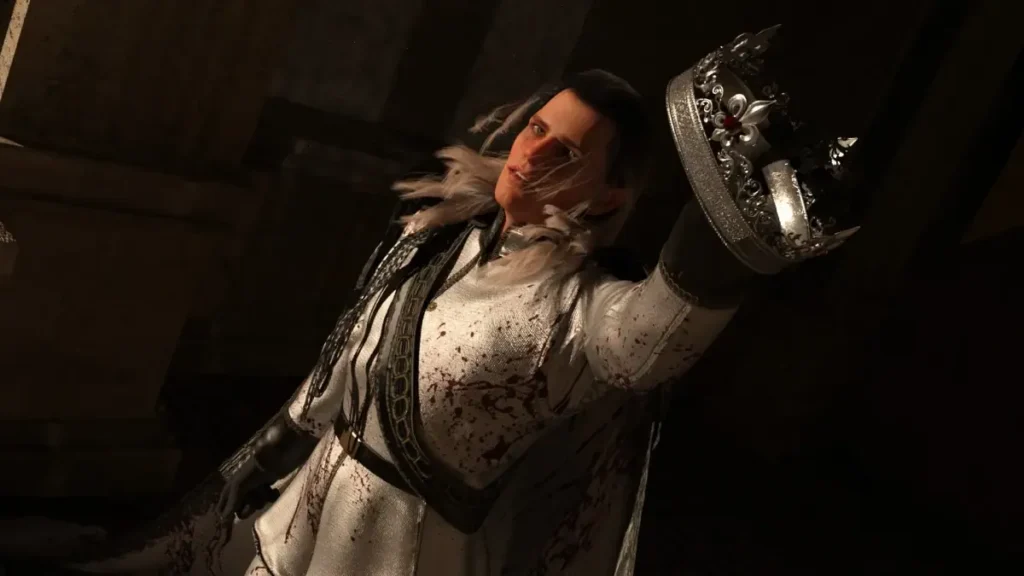











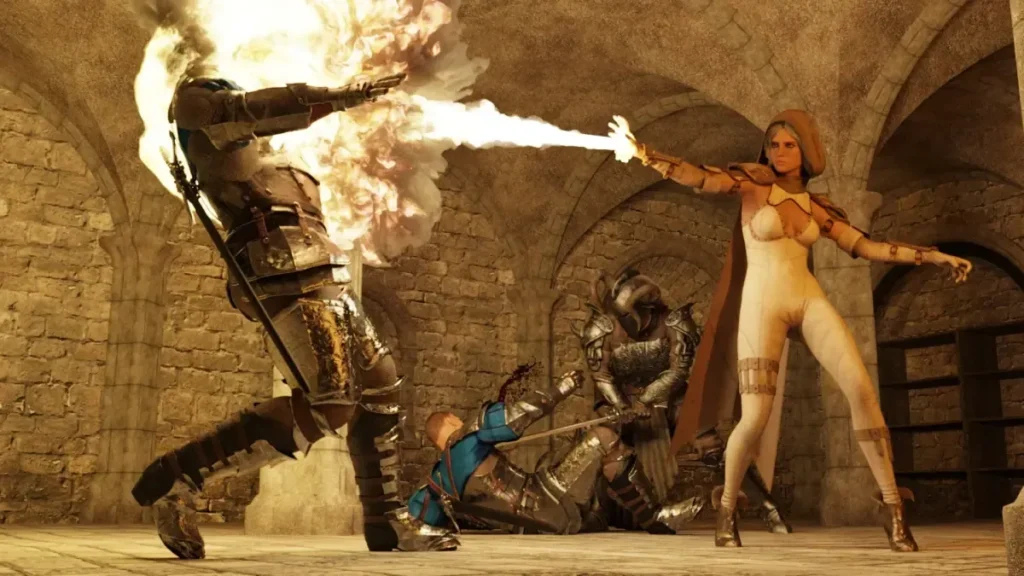





Imperial Chronicles review
A closer look at the game and its unique features
Imperial Chronicles is a game that has sparked curiosity among fans of narrative-driven experiences. With its unique blend of storytelling and interactive elements, it stands out in a crowded market. This article dives into what makes Imperial Chronicles special, exploring its gameplay, themes, and why it has captured the attention of so many players. Whether you’re new to the game or looking for a deeper understanding, this guide covers everything you need to know about Imperial Chronicles.
Understanding Imperial Chronicles
So, you’ve heard the name whispered in gaming forums or seen a stunning trailer pop up in your feed. Imperial Chronicles is generating buzz, and you’re curious. Is it just another fantasy RPG, or is it something more? Let me tell you, from my own hours spent navigating its intricate world, it’s very much the latter. 🏰
This isn’t just a game you play; it’s a world you step into and leave your mark upon. Think less about following a predetermined path and more about writing your own chapter in a living, breathing history book where every choice has weight. Intrigued? Let’s pull back the curtain.
### What is Imperial Chronicles?
At its heart, Imperial Chronicles is a narrative-rich, choice-driven experience set in a crumbling empire on the brink of civil war. You don’t just witness the story; you are its primary author. The core premise is deceptively simple: you are a relatively unknown figure thrust into the center of a vast political and magical conflict. But from that moment on, who you become—a noble peacemaker, a cunning spymaster, a ruthless warlord, or something else entirely—is completely up to you.
The game masterfully blends several genres. It has the deep tactical gameplay of a strategy game, the rich character interactions of a social simulator, and the sweeping, personal narrative of the best fantasy novels. What truly sets Imperial Chronicles apart is its dedication to consequence. Remember that time in other games where you made a “big” choice and nothing really changed? Here, those decisions cascade, altering alliances, closing off entire story branches, and opening new ones you never anticipated. It’s a game that remembers everything.
### Gameplay Overview
The gameplay in Imperial Chronicles is a beautiful tapestry of different systems all working in harmony. You’ll manage your estate, making strategic decisions about resources and diplomacy from a grand map. You’ll engage in tense, tactical battles where positioning and unit composition matter more than sheer power. But for me, the most captivating moments happen in the quiet spaces between the wars: the conversations.
The core loop revolves around dialogue, relationships, and investigation. You’ll spend a significant amount of time talking to a vast cast of characters, each with their own ambitions, secrets, and loyalties. Every dialogue option is a tool, and your approach directly influences your character development and the world’s perception of you. Choosing to be empathetic might unlock a character’s personal quest, while a display of intimidation could make a rival back down—or secretly plot your demise.
Here’s a quick breakdown of the core mechanics:
| Gameplay Pillar | What It Involves | Player’s Role |
|---|---|---|
| Estate & Realm Management | Allocating resources, enacting policies, developing your power base, and managing diplomacy. | The Strategist & Ruler |
| Tactical Operations | Turn-based combat on varied battlefields, covert missions, and siege warfare. | The Commander |
| Social Simulation | Deep dialogue trees, relationship building, persuasion, intimidation, and gathering intelligence. | The Diplomat & Spymaster |
| Choice & Consequence | Narrative decisions that reshape the political landscape, character loyalties, and available story paths. | The Author of History |
These systems aren’t separate minigames; they’re interconnected. A successful diplomatic play might mean you don’t have to fight a battle at all. Conversely, losing a key ally in a story moment could mean facing their armies on the strategy map later. It’s this synergy that makes the gameplay feel so holistic and impactful.
My Personal Insight: Don’t try to be perfect on your first playthrough. The magic of Imperial Chronicles is in the “failures.” I once accidentally offended a major faction leader early on. Instead of reloading, I rolled with it. It led me down a path of allying with their underground rivals, uncovering a conspiracy I would have completely missed otherwise. The “wrong” choice created a far more memorable story.
Example: Early in the game, you’re tasked with mediating a land dispute between two of your vassals. You can:
* Review historical documents in your library to find a legal precedent (rewarding a scholarly approach).
* Call in a favor from a spymaster to dig up dirt on one party to force a settlement (a ruthless, pragmatic move).
* Personally visit the disputed land, talk to the common folk, and broker a compromise that strengthens both parties (an empathetic, unifying path).
Each choice validates a different playstyle, develops your character’s reputation in unique ways, and sets the tone for how your vassals will treat you for the rest of the game. This is the essence of its interactive elements.
### Themes and Story Elements
While the empire and magic provide the dazzling backdrop, the true themes of Imperial Chronicles are intensely human. This is a story about power: its allure, its corruption, its burdens, and its fleeting nature. 🫅 It asks whether it’s better to be feared or loved, and whether a stable, unjust peace is preferable to a bloody fight for freedom. The narrative doesn’t preach; it presents these dilemmas through its characters and asks you to decide.
Character development is the engine of the story. Your protagonist isn’t a silent cipher; they have a voice, opinions, and a personality that you mold through decisions both large and small. More impressively, the characters around you undergo their own arcs, directly reacting to your actions. A timid scholar you encourage might become a bold advisor, while a loyal knight you repeatedly betray may become your most bitter enemy. Their stories are interwoven with yours, making the world feel authentic and alive.
The story itself unfolds like a premium political drama, with you at the helm. You’ll uncover ancient prophecies, navigate courtly intrigue, and face moral quandaries that have no easy answer. The writing is sharp, with prose that can be witty, poignant, and epic in turn. The interactive elements here mean you’re not just reading this drama; you’re directing it. Will you focus on uniting the empire against a common external threat, or will you seize the chaos to build your own new kingdom from the ashes?
Ultimately, Imperial Chronicles offers an experience defined by agency and depth. It’s a game that respects your intelligence and rewards your curiosity. It’s about the legacy you choose to build, the relationships you nurture or betray, and the indelible mark you leave on a world teetering on the edge. If you’ve ever wanted to not just play a game, but truly live inside its story, this is your invitation to the chronicles. Your quill is waiting. ✍️
Imperial Chronicles offers a distinctive experience that combines engaging storytelling with interactive gameplay. Its focus on narrative and character development sets it apart, making it a memorable choice for fans of the genre. If you’re looking for a game that delivers both depth and excitement, Imperial Chronicles is definitely worth exploring.