
New Antioch
Play New Antioch
New Antioch Screenshots














New Antioch review
Explore the grimdark fortress city, master tactical gameplay, and uncover the lore behind this unique indie title
New Antioch stands as one of the most intriguing settings in modern indie gaming, blending historical inspiration with dark fantasy elements. This fortress-city serves as the central hub for an immersive strategic experience that challenges players to navigate complex political landscapes, manage resources, and survive in a hostile world. Whether you’re a seasoned strategy game enthusiast or new to the genre, understanding what makes New Antioch unique can help you appreciate its depth and master its challenging gameplay. This guide explores everything you need to know about the game, from core mechanics to advanced strategies.
Understanding New Antioch: Game Overview and Setting
Welcome to the Last Bastion 🏰. You’ve just been appointed Warden of New Antioch, a title that sounds glorious until you realize the city is crumbling, your allies are scheming against you, and something unspeakable is scratching at the outer walls. This isn’t your grandfather’s strategy game. Forget serene city-building or commanding vast, impersonal armies. The New Antioch game pulls you into the grit and grime of a single, desperate fortress and asks one terrifying question: how long can you keep the lights on?
As a fan of deep, thoughtful strategy game mechanics, I often find myself longing for something that trades sheer scale for intense, meaningful consequence. New Antioch delivers that in spades. It’s an indie strategy title that focuses all its considerable ingenuity on making every choice weigh a ton. You’re not managing an empire; you’re performing triage on a dying titan. In this guide, we’re going to pull back the iron curtain and explore everything that makes this grimdark fantasy setting a masterpiece of tension and tactical decision making.
### What Makes New Antioch a Unique Gaming Experience
So, what sets this New Antioch game apart in a sea of strategy titles? It’s the relentless, claustrophobic focus. Most games in the genre give you space to breathe, to expand, to recover from a mistake. New Antioch does not. From your first decision, you are under siege—not just by monsters, but by time, scarce resources, and the very people you’re trying to save. The core loop is a brilliant, pressure-cooker blend of macro-strategy and micro-management, all wrapped in a grimdark fantasy setting that feels both terrifyingly alien and strangely historical.
I remember my first playthrough vividly. I was so proud of finally getting the Foundry District’s artillery production online, only to have my Head of Logistics inform me that we’d run out of coal to heat the residential sectors. Do I freeze civilians to keep the cannon factories hot? There is no perfect answer, only varying degrees of failure to manage. This is the heart of the New Antioch game experience. It’s a strategy title that understands true conflict isn’t just about external enemies; it’s about the impossible compromises you make to survive another day.
Here are the key pillars that define this unique indie strategy title:
- The Singular Location: Everything revolves around the fortress-city. Your world ends at its walls. This deep, narrow focus allows for an incredible level of detail and systemic interaction within the city’s districts.
- Pressure as a Core Mechanic: Threats are constant and multi-faceted. You’re always reacting, but the game rewards players who can carve out moments to be proactive, creating a thrilling push-pull dynamic.
- Narrative-Driven Strategy: The New Antioch lore isn’t just flavor text. Your decisions directly shape the city’s story, creating emergent tales of betrayal, sacrifice, and desperate heroism that feel uniquely yours.
- Tactical Depth in Management: Assigning a work crew isn’t just a click. You must consider their morale, the district’s safety, and the political faction they belong to. Every resource transaction has a ripple effect.
This isn’t about conquest; it’s about endurance. You win by surviving, by guiding New Antioch through another hellish night, and perhaps uncovering enough of its secrets to change its fate. The fortress city gameplay creates a powerful, intimate connection between you and your charge—you’ll feel every shudder of its foundations and every sputter of its dying generators.
### The Fortress-City: Lore and World Building
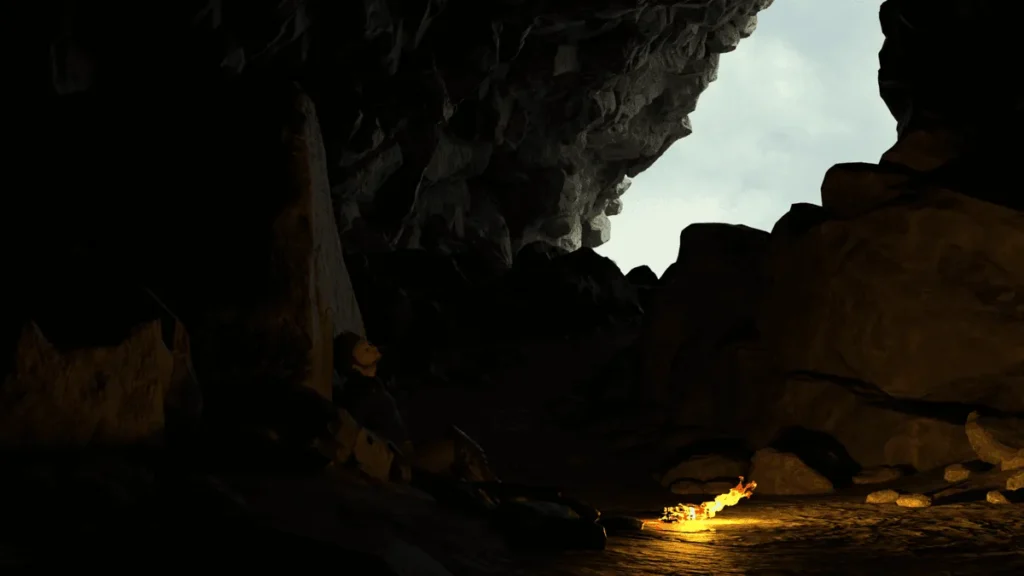
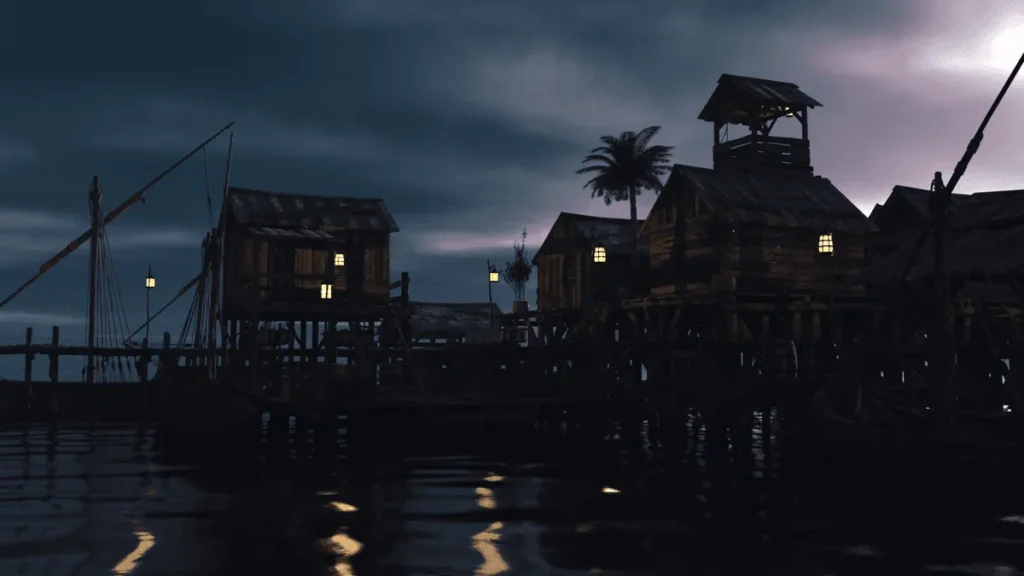
To master New Antioch, you must understand its scars. This isn’t a generic fantasy castle; it’s a layered, archaeological nightmare of a place. The New Antioch lore paints a picture of a city built and rebuilt upon itself over millennia. The gleaming Spire of the founding saints now pierces through a canopy of grinding smokestacks and shanty towns. Ancient catacombs housing holy relics have been repurposed into munitions depots. The city’s history isn’t just background—it’s your battlefield and your toolbox.
The grimdark fantasy setting draws clear inspiration from the desperate, industrial feel of certain historical sieges, then drenches it in a supernatural gloom. The air is permanently thick with coal smog and the faint, metallic tang of the “Mist” that swirls beyond the walls. Society is rigidly stratified: the aristocratic “Spire Dwellers,” the industrious “Guilders” who run the factories, the devout “Clerical Jury,” and the vast, suffering underclass of the “Pit.” Your role as Warden places you directly in the center of this volatile social powder keg.
The genius of the fortress city gameplay is how this lore translates directly into mechanics. Let’s break down a district:
The Ironworks District Example: Lore states this area was built over an old holy spring. In gameplay terms, this means certain building sites have a chance to uncover “Archaeological Finds” when excavated. You might unearth a sealed reliquary. Do you hand it to the Clerical Jury for a major morale boost with the faithful? Or do you let your Guilder allies crack it open, possibly yielding a powerful, forgotten tech schematic? The New Antioch lore is a strategic resource.
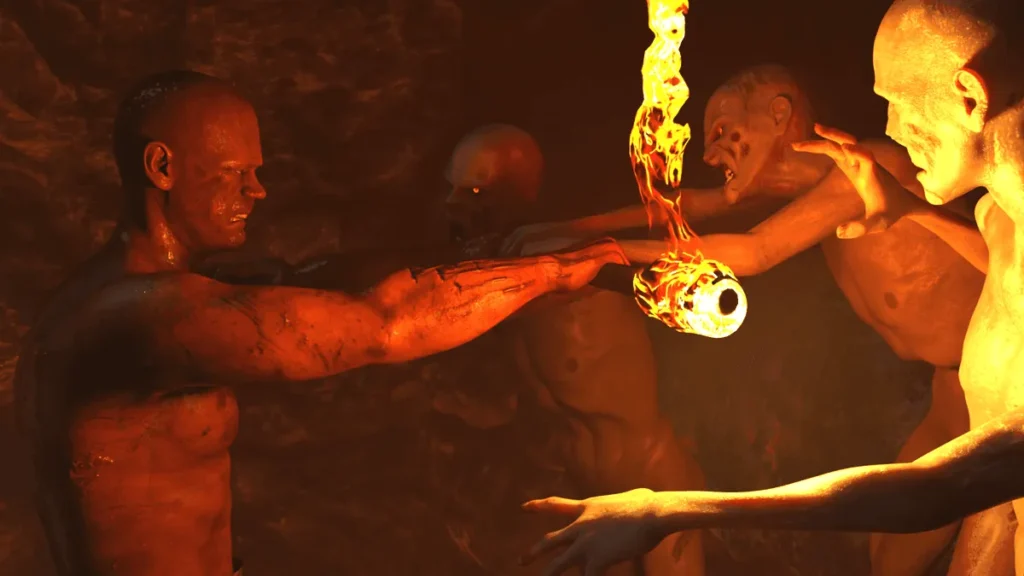
The external threats are also woven from this rich tapestry. The “Mist-Walkers” aren’t mindless zombies; in-game texts suggest they might be the twisted remnants of a past civilization that once called the same mountain home. Even your enemies are part of the city’s tragic history. This depth makes every defensive battle feel significant—you’re not just repelling monsters, you are fighting against the vengeful past of the very ground you stand on.
### Core Gameplay Mechanics and Objectives
Now, let’s get our hands dirty with the gears and levers of state. The New Antioch game presents you with a symphony of interconnected systems. Your primary objective is deceptively simple: ensure the survival of New Antioch. This breaks down into four relentless, overlapping fronts: Defense, Resource Management, Internal Politics, and Exploration/Research.
Defense & The Wall: This is the most direct fortress city gameplay. You don’t command units in a traditional RTS sense. Instead, you manage defensive systems. You assign militia squads to wall sections, position artillery batteries, schedule patrols in the underground tunnels, and decide where to risk your elite “Warden’s Guard.” The tactical layer is about anticipation and allocation. A storm of attacks on the East Gate might be a feint for a sapper team digging into the sewers below the Grand Kitchen. Your tactical decision making happens on a city-wide map, feeling more like a grim chess game than a frantic click-fest.
Resource Management – The City’s Pulse: Resources are perpetually scarce. You’re managing the flow of Coal, Scrap Metal, Munitions, and Food through a distressed, inefficient economy. The real challenge is that these resources are often in direct conflict.
| Resource Decision | Pro | Con | Strategic Consideration |
|---|---|---|---|
| Divert Coal from homes to the Foundry | Increases artillery shell production by 30% | Civilian morale drops, risk of riots in low-tier districts | Viable before a predicted major assault, but unsustainable long-term. |
| Authorize “Pit-Rations” (low-grade food paste) | Stretches Food supplies by 50% | Severely impacts worker efficiency and health over time. | A desperate stop-gap that can lead to a public health crisis. |
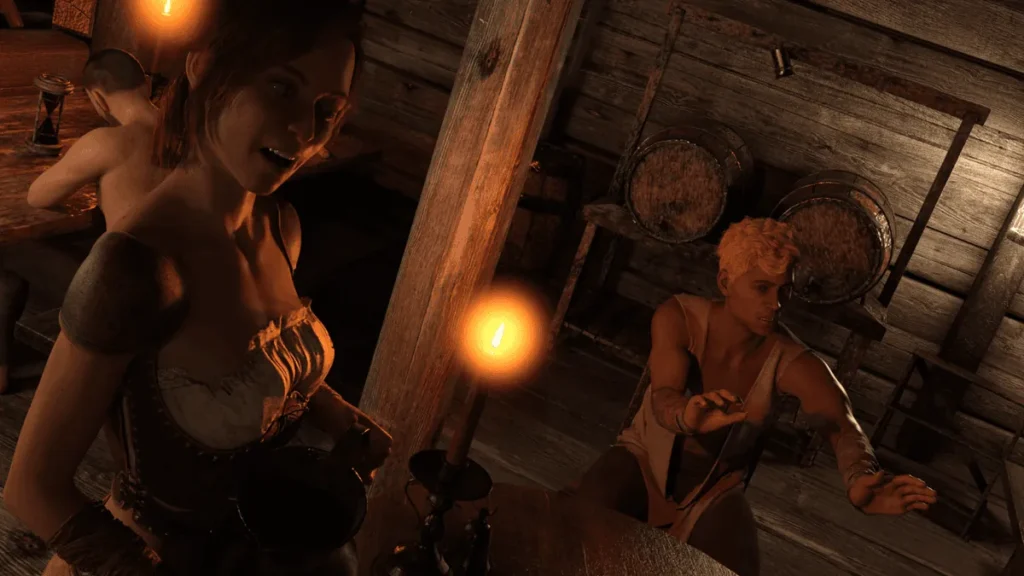
Internal Politics – The Real Siege: Your council is not your friend. Each faction leader—the Guild Master, the High Juror, the Spire Ambassador—has their own demands and resources you need. Appease the Guilders to get better factory output, and the Clerical Jury may denounce you as a heretic, causing preachers to stir up dissent. This layer of the strategy game mechanics is constant, delicate, and often feels like the most dangerous part of the job. Sometimes, a well-timed “accident” befalling a troublesome faction leader can be more strategically valuable than a new battery of cannons.
Example of a Strategic Decision:
It’s the dead of winter. The Mist-Walkers are unusually quiet, but your coal stocks are critical. The Guild Master offers a secret deal: use condemned prisoners as forced labor in the deep, unsafe “Old Vein” mine for a massive coal influx. The High Juror declares this an abomination. Do you:
1. Accept the deal? You get coal, averting an immediate energy collapse and keeping the Guilders powerful. However, you lose the Jury’s support, and if the public finds out, widespread revolt is likely.
2. Refuse the deal? You maintain your soul and the Jury’s favor, but you must somehow find another coal source or begin shutting down districts, weakening your overall defensive readiness.
3. Investigate a third option? You could use your own scarce Warden’s Guard to try and secure a smaller, safer mine, but that leaves the walls under-strength if an attack comes. This choice exemplifies the game’s brutal tactical decision making—there are no good options, only calculated costs.
Exploration & The Long Game: While survival is the immediate goal, hope lies in looking inward and outward. You can send scavenger teams into the Mist-shrouded ruins beyond the walls for rare artifacts or allocate engineers to research technologies buried in the New Antioch lore, like steam-powered wall automata or improved water filtration. These are high-risk, long-term investments that can tip the balance in a prolonged campaign.
Mastering the New Antioch game is about learning to see the city as a single, complex organism. Every action reverberates. Putting out a fire in the Guild District might mean the militia wasn’t on the wall to spot a tunneling creature. This deeply interconnected design is what elevates it from a simple indie strategy title to a profound strategy game mechanics simulator. You are not just playing a game; you are enduring a crisis, and the grim, glorious stories you create in response to its relentless challenges are what you’ll remember long after the final bell tolls. Your fortress awaits, Warden. Don’t let the lights go out. 🔔
New Antioch offers a compelling blend of strategic depth, atmospheric world-building, and challenging gameplay that appeals to players seeking more than surface-level entertainment. The game’s fortress-city setting creates a unique backdrop for meaningful decisions, resource management, and tactical planning. Whether you’re drawn to the grimdark narrative, the strategic complexity, or the satisfaction of overcoming difficult challenges, New Antioch delivers a memorable gaming experience. As you dive into this indie gem, remember that mastering its systems takes time and experimentation—embrace the learning curve, adapt your strategies based on outcomes, and discover the multiple paths to success the game offers. Start your journey into New Antioch today and experience why this title has captured the attention of strategy game enthusiasts.