Project QT Screenshots



Project QT review
Master the match-3 mechanics, character evolution, and strategic combat systems
Project QT stands out as a distinctive mobile RPG that combines match-3 puzzle mechanics with anime-style storytelling and character progression. This game blends strategic tile-matching combat with deep customization options, offering players both casual puzzle enjoyment and complex tactical planning. Whether you’re new to the game or looking to optimize your strategy, understanding the core systems—from battle mechanics to character evolution paths—is essential for maximizing your experience. This guide explores the key gameplay elements that make Project QT a compelling choice for players seeking engaging mobile RPG content with meaningful progression systems.
Core Gameplay Systems and Strategic Combat Mechanics
At first glance, you might think Project QT is just another colorful puzzle game. I sure did! 🤔 I remember my first battle, casually matching tiles and wondering when the “real” fighting would start. Then, my main character unleashed a devastating blast that wiped the floor, and it clicked. This isn’t a puzzle with RPG elements—it’s a deep, strategic mobile RPG battle mechanics system disguised as a tile-matching strategy game. Every swap is a command, every combo is a coordinated assault. This guide will peel back the layers of Project QT tactical gameplay, transforming you from a casual matcher into a battlefield commander.
How Match-3 Combat Works in Project QT
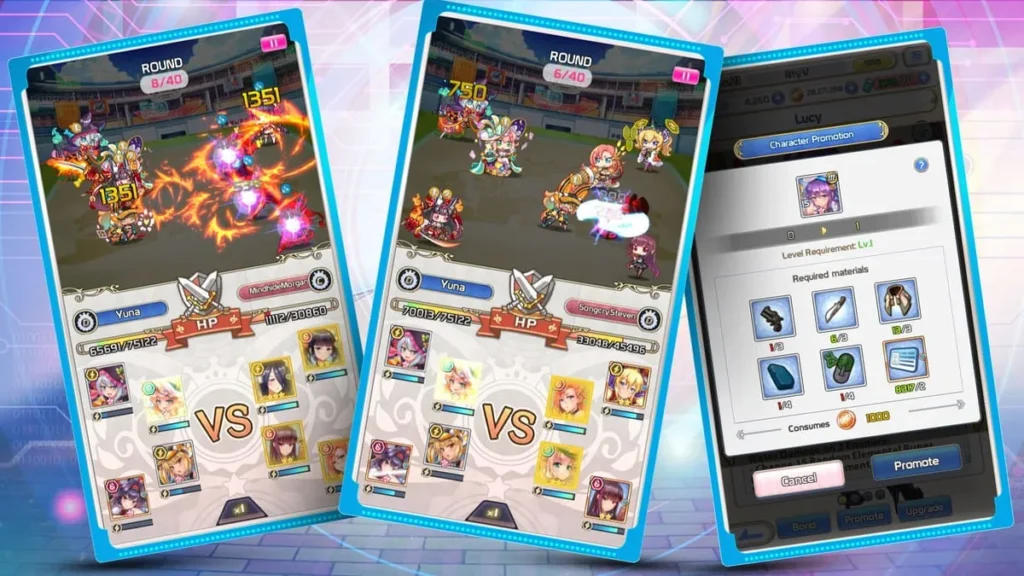
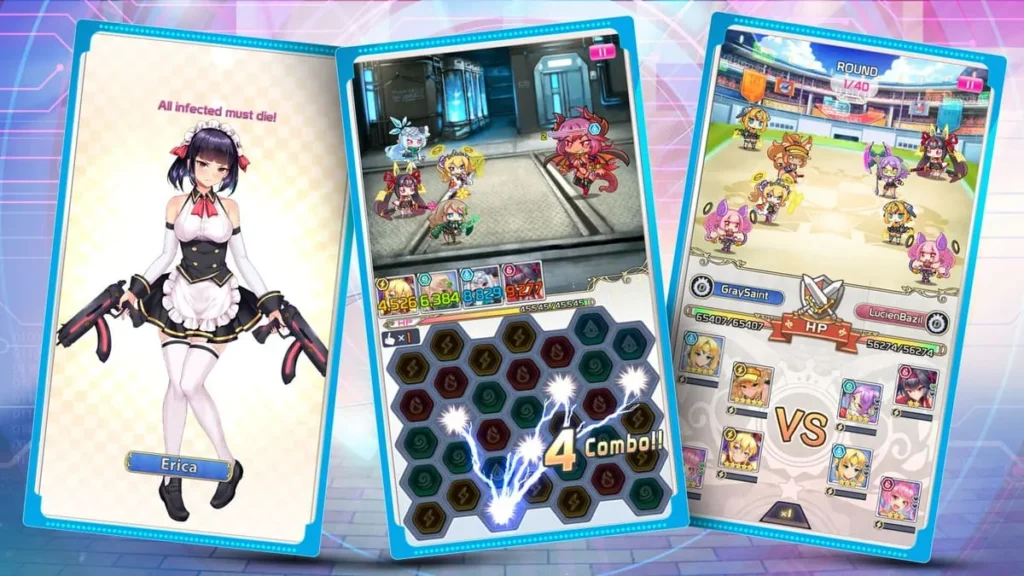
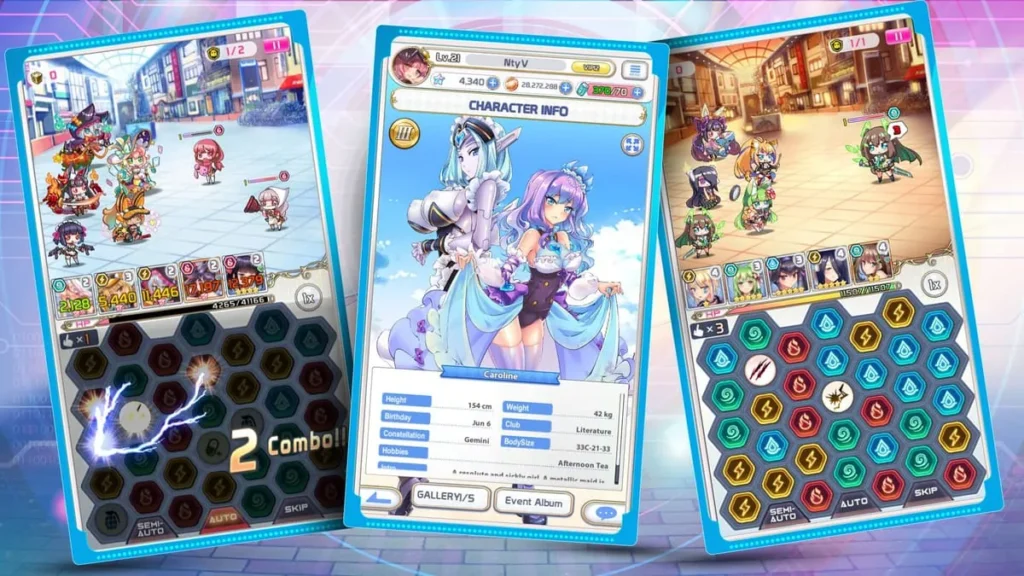
Forget everything you know about casual match-3 puzzles. In Project QT match-3 combat, the board is your command center. 🎮 Each color on the 8×8 grid is directly tied to one of the four characters in your active squad. Making a match of three or more does two critical things: it deals immediate damage of that character’s type to a random enemy, and it charges that character’s special skill gauge.
Here’s the brilliant twist that creates the strategic depth: you don’t just match for the sake of it. You’re managing resources in real-time.
- Red Tiles typically power your primary attacker. Matching these fuels big, single-target damage skills.
- Blue Tiles often belong to support or control characters, charging abilities that might heal your team or freeze enemies.
- Green & Yellow Tiles could link to secondary attackers or buffers, creating a complex web of synergy.
The core of Project QT tactical gameplay is target prioritization through tile matching. Is the enemy healer about to take a turn? You might focus on matching blue tiles to power up a character who can silence them. Need to burst down a dangerous foe? Flood the board with red matches. The randomness of the board forces you to adapt your strategy on the fly, making each battle a unique puzzle.
Pro Tip: Always scan the board for potential cascades. Setting up a match that causes new tiles to fall into another match is the lifeblood of building massive turns and charging multiple abilities at once.
But the real engine of destruction is the Project QT combo system. Making matches in quick succession builds a combo multiplier. This isn’t just for show—it dramatically increases the damage of every match in that sequence. Early on, I ignored this, just making matches as I saw them. Once I learned to plan two or three moves ahead to keep the combo going, my clear times were cut in half. 🚀
Let’s walk through a high-damage combo sequence:
1. You spot a potential L-shaped match of red tiles. You execute it.
2. The new tiles fall, creating a new match of four blue tiles vertically (this is the cascade).
3. Before making the next move, you quickly see that matching a set of green tiles on the right will cause another cluster of reds to come together.
4. You execute the green match, triggering the second cascade into a red match.
The result? You’ve charged your red attacker’s skill twice, your blue supporter’s skill once, maintained a x3 combo multiplier for all that damage, and likely set the board for even more chaos. This sequence-based thinking is what separates good players from great ones in this tile-matching strategy game.
Building Effective Squad Compositions
You can be a master at matching, but without a coherent team, you’ll hit a wall. Your squad composition strategy is your foundational battle plan. 🛡️⚔️ It’s about synergy, not just stuffing your team with the highest-ranked characters.
Characters fall into classic RPG roles, and balancing them is key:
* Attackers: Your main damage dealers. They often have high-damage single-target or area-of-effect (AoE) ultimates.
* Tanks: These units soak damage, often having skills that taunt enemies or reduce incoming damage for the team.
* Support/Healers: They keep your squad alive, providing heals, shields, and cleansing negative effects.
* Controllers: They disrupt the enemy with stuns, silences, or attack debuffs.
A balanced team might have 1 Tank, 1 Healer, 1 Controller, and 1 Attacker. However, for certain content like time-limited challenges, you might run 3 Attackers and 1 Healer for maximum burst. I learned this the hard way in an early boss fight—my all-attacker team was wiped out before I could land a finishing blow because I had no way to mitigate the boss’s powerful special attack.
| Role | Primary Tile Color | Key Function | Team Synergy Example |
|---|---|---|---|
| Attacker | Red | Deal high single-target/AoE damage | Paired with a Controller who stuns the target for safe burst. |
| Tank | Yellow/Green | Absorb damage, protect allies | Essential for protecting a fragile, high-damage Attacker. |
| Healer | Blue | Restore HP, apply shields | Keeps the Tank alive, enabling sustained fights. |
| Controller | Blue/Green | Disable enemies, apply debuffs | Locks down dangerous foes so your Attacker can focus fire. |
Understanding enemy patterns is the other half of your squad composition strategy. Before a tough fight, check the enemy lineup. Do they have a backline healer? Prioritize a character who can hit the back row or a controller who can silence. Is the boss about to unleash a party-wide attack? Ensure your healer’s ultimate is charged, or have a tank with a damage-reduction skill ready.
Common Tactical Mistakes in Squad Building (and How to Avoid Them):
* ❌ The “All-Star” Team: Just using your four strongest characters without regard for role synergy.
* ✅ The Fix: Designate at least one tank and one healer/support. Build your damage around them.
* ❌ Ignoring Elemental Affinities: Many modes feature elemental advantages/disadvantages.
* ✅ The Fix: Have a deep roster. Level up characters of different elements to swap in for specific challenges.
* ❌ Negulating Your Backline: Assuming only the front unit gets hit.
* ✅ The Fix: Position your most durable character in the front-left slot, as they often take the most hits. Place fragile damage dealers in the back.
* ❌ Forgetting Skill Synergy: Not reading how skills interact.
* ✅ The Fix: Look for combos like a character who applies a “Defense Down” debuff and another whose ultimate does extra damage to debuffed foes.
Mastering Combo Systems and Special Abilities
This is where Project QT match-3 combat reaches its peak strategic expression. The Project QT combo system and the powerful ultimate abilities Project QT characters wield are your tools for decisive victory. 💥
Let’s break down the special abilities. Each character has two main active skills:
1. Special Skill: Charges by matching that character’s colored tiles. Once the gauge is full, it activates automatically on that character’s turn. These are your consistent, turn-by-turn tools for damage, healing, or control.
2. Ultimate Ability: This is your game-changer. It charges more slowly, often requiring a combination of matches and turns. When ready, you manually trigger it, unleashing a powerful effect that can swing the entire battle.
The genius of the mobile RPG battle mechanics here is the interplay between manual and automatic timing. Your Special Skills fire off automatically, so you need to anticipate when the gauge will fill. Your Ultimate, however, demands perfect Project QT tactical gameplay. Do you use it immediately to remove a threat, or do you wait one more turn so a debuff from another character is applied first, maximizing its damage?
A Practical Ultimate Timing Scenario:
Imagine your team is at half health, and the enemy is almost dead. Your healer’s ultimate is ready. Do you use it?
* If the enemy has a big attack coming, you probably should.
* If your attacker can likely finish the enemy this turn, you might save it, risking a bit of damage to have the heal ready for the next, full-health battle.
This risk/reward calculation is constant. In PvP modes, this becomes even more critical—holding an ultimate to counter an opponent’s big move is a classic advanced tactic.
Furthermore, many ultimate abilities Project QT features have secondary effects or synergize with combos. Some ultimates do more damage if the target is stunned. Others might grant your team an extra turn of attack buffs. This means your squad composition strategy and your in-the-moment tile-matching strategy game decisions are in constant dialogue. You might deliberately match fewer red tiles for a turn to instead charge your blue controller, just to set up the perfect debuff for your red attacker’s ultimate next round.
As you progress, the mobile RPG battle mechanics scale beautifully. Early battles teach you the basics. Later, you’ll face enemies who poison your tiles, change their color, or even lock entire rows, forcing you to think several steps ahead with your Project QT combo system strategies. Campaign bosses often have specific mechanics that require tailored teams and precise ultimate timing to overcome.
Mastering these three pillars—the dynamic match-3 board, a synergistic squad, and the calculated use of devastating abilities—is the path to dominance. Project QT is more than a puzzle; it’s a continuous, engaging test of your strategic foresight and adaptability. Now, get out there, analyze your board, command your squad, and time those ultimates perfectly! Your journey to become a true master of Project QT tactical gameplay has just begun. 👑
Project QT delivers a compelling blend of strategic puzzle gameplay and character-driven progression that appeals to players seeking depth beyond casual mobile gaming. The match-3 combat system rewards both tactical planning and quick thinking, while the character evolution trees provide meaningful customization options that let you shape your squad according to your preferred playstyle. By mastering the core gameplay mechanics—understanding combo systems, optimizing squad compositions, and strategically developing your characters—you’ll unlock the full potential of what makes Project QT engaging. Whether you’re drawn to the competitive combat elements or the satisfaction of building powerful character synergies, the game offers substantial content for dedicated players. Start by focusing on understanding your squad’s strengths, experiment with different evolution paths, and gradually refine your strategies as you progress through the game’s challenges.