Short Sad Stories
Play Short Sad Stories
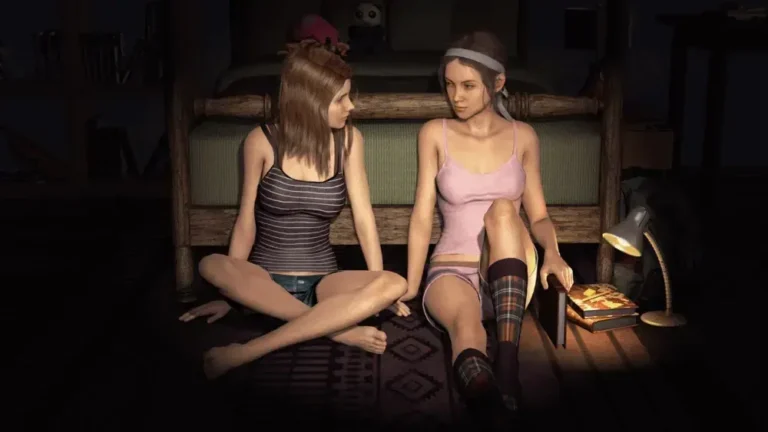
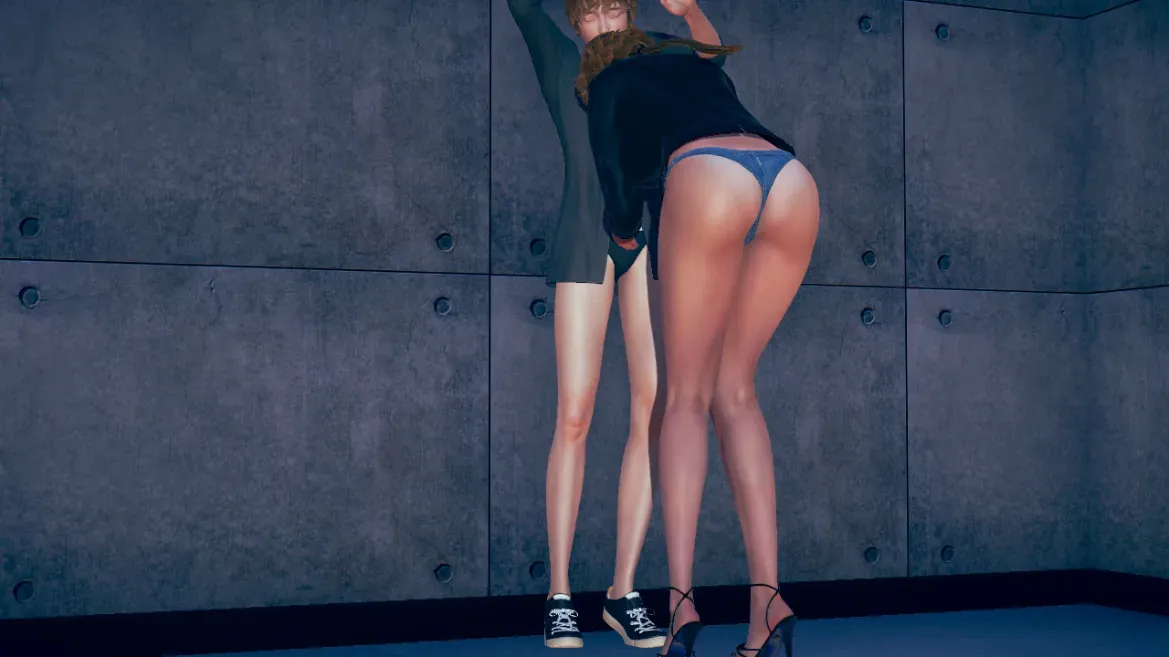
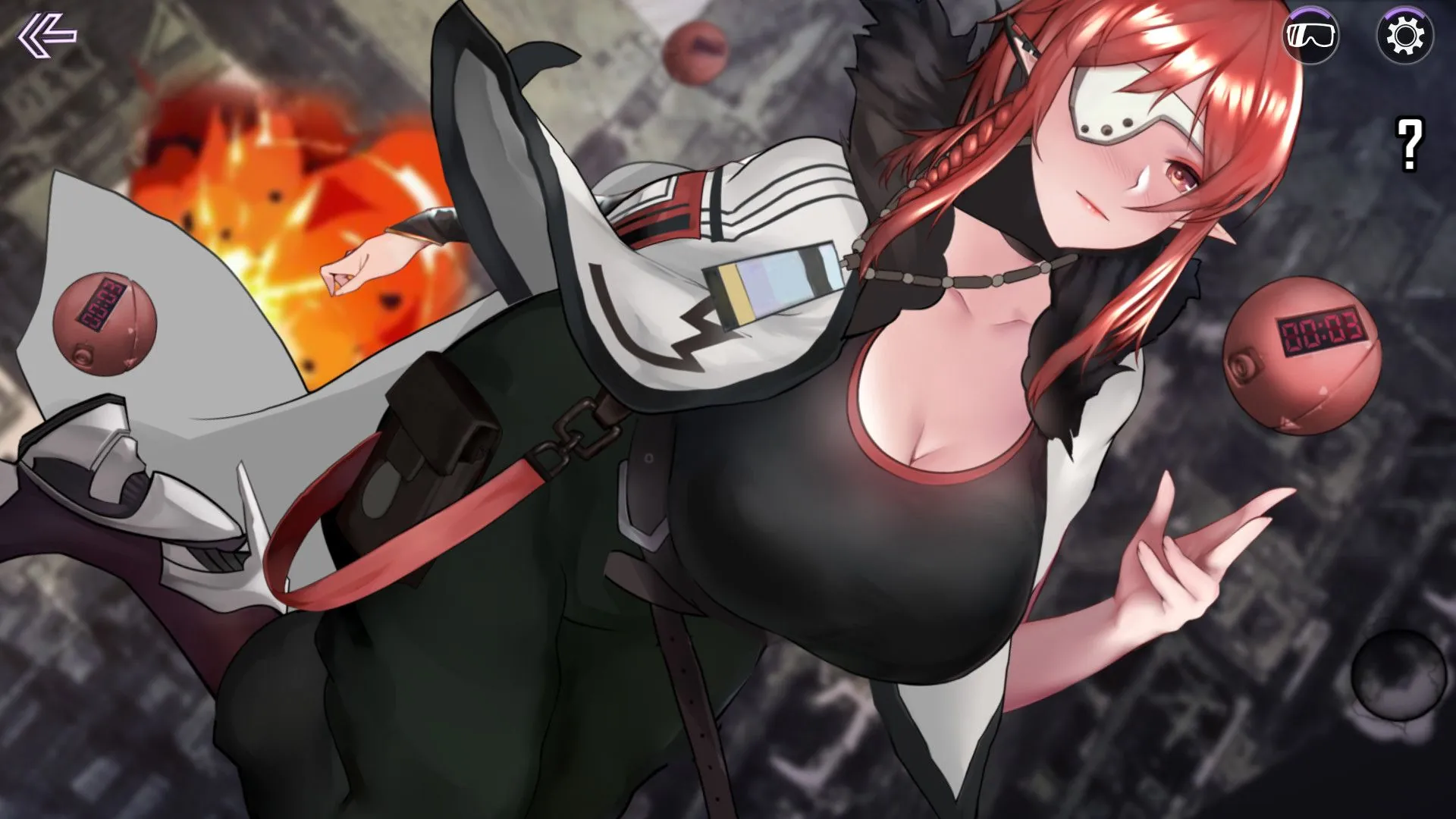
Short Sad Stories Screenshots


Short Sad Stories review
Dive into heartfelt narratives, player choices, and intimate moments in this captivating game
Imagine stepping into a world where every choice tugs at your heartstrings, blending raw emotion with subtle intimacy in Short Sad Stories. This visual novel by Pent Panda pulls you into Alice’s dreamy life, caught between reality and fantasy, where dilemmas and relationships unfold in poignant ways. I’ve replayed it multiple times, each path revealing deeper layers of loss, hope, and connection. Whether you’re drawn to its narrative depth or the way decisions shape intimate encounters, Short Sad Stories delivers a memorable journey. Let’s explore why this game lingers long after the credits roll, perfect for fans of emotional, choice-driven experiences.
What Makes Short Sad Stories Gameplay So Addictive?
I still remember my first playthrough of Short Sad Stories. I was just clicking through, thinking I understood the rules of these kinds of games. Then, I got to a moment with Alice where she showed me a crumpled movie ticket stub from a bad date. The game gave me a simple, devastating choice: Keep it as a reminder or Discard it and move on. 🤔
Thinking it was about being practical, I chose to discard it. What happened next wasn’t a grand plot shift, but something far more intimate. Alice quietly took the stub, her expression fading from hopeful to resigned. Later that night, in a beautifully rendered scene, she was alone on her balcony, not with the ticket, but with a different, older memento. The conversation that followed was softer, laced with a vulnerability that my “practical” choice had accidentally unlocked. It wasn’t a hot scene; it was a heart scene. 💔 It left me staring at the screen, realizing I hadn’t just managed an inventory—I’d navigated her grief. That’s the unique magic of Short Sad Stories gameplay. It’s not about winning; it’s about understanding.
This emotional visual novel pulls you in not with action, but with quiet, resonant humanity. Let’s break down what makes its gameplay so uniquely compelling.
How Player Choices Shape Heartbreaking Narratives
Forget good or bad endings. In Short Sad Stories, your visual novel choices are less about altering destiny and more about shaping perception. The core loop is a masterclass in subtlety. You’ll spend your time:
- Talking, Listening, and Feeling: Dialogue options rarely change the plot’s major beats. Instead, they change the emotional color of a scene. Choosing to push for details versus offering quiet support leads to different confessions, different shades of the same moment.
- The Poetry of Item Curation: As in my ticket-stub moment, you’ll often be asked to interact with objects—a worn book, a faded photo, a half-finished drink. Deciding to keep, discard, or comment on these items doesn’t unlock doors; it opens windows into a character’s soul. It’s the game’s primary way of letting you say, “I see your pain,” or “Maybe it’s time to let go.”
- Environmental Storytelling: Clicking on background elements—a messy desk, a rainy window, a specific song on the radio—often yields introspective monologues from the protagonist. These aren’t filler; they’re essential layers that build the game’s melancholic atmosphere and deepen your connection to the world.
The goal isn’t to find a “correct” path. It’s to experience the narrative from different emotional angles. This approach to how player choices shape narrative makes every playthrough feel deeply personal. Your choices reflect your own instincts about grief, love, and closure.
To see how these mechanics serve the story, here’s a quick breakdown:
| Story Arc Theme | Core Gameplay Mechanic | Emotional Payoff |
|---|---|---|
| Loss & Letting Go | Item Curation (Keep/Discard) | Bittersweet catharsis; understanding what we hold onto and why. |
| Reality vs. Fantasy | Branching Dialogue in Key Moments | Moments of poignant clarity or comforting illusion. |
| Building Intimacy | Environmental Interaction & Listening | Unlocking vulnerable, intimate scenes that feel earned, not granted. |
Exploring Alice’s World: Reality vs Fantasy
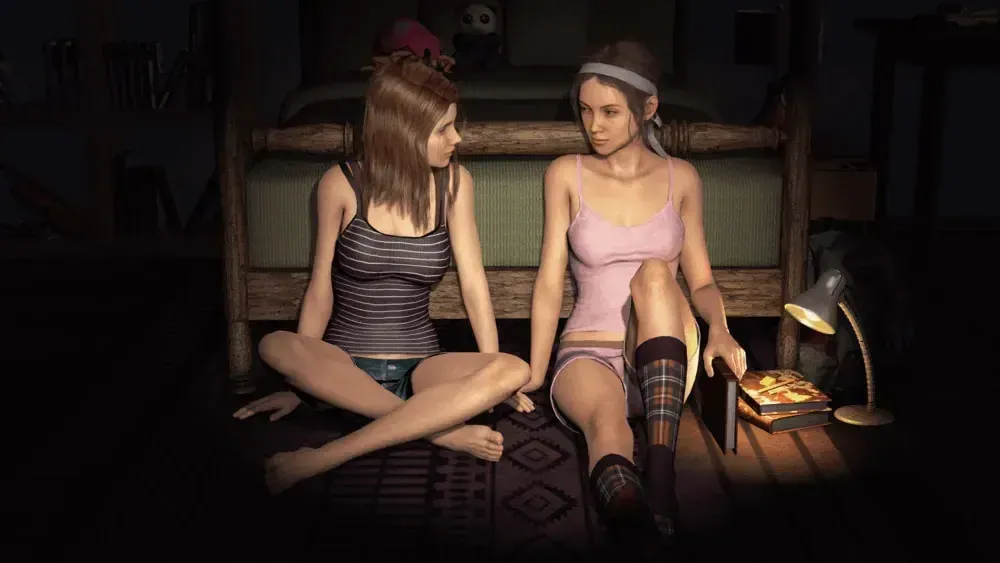
At the center of this storm of feelings is Alice, the dreamer. Alice Short Sad Stories is a journey of her navigating a life that hasn’t quite matched her hopes. She’s not a damsel in distress; she’s a young woman armed with wit, a vivid imagination, and a heart that’s a little too open for its own good. Her arc is the spine of the game.
You guide her through everyday dilemmas—awkward work encounters, tense family calls, dates that range from charming to disastrous. The genius of her characterization is how her rich fantasy life collides with reality. A boring bus ride might transform in her mind into a grand adventure, only to snap back to the mundane with a ping from her phone. 😅 Your choices often feel like you’re gently steering her: do you encourage her daydreams as a beautiful escape, or do you gently tug her back to the present?
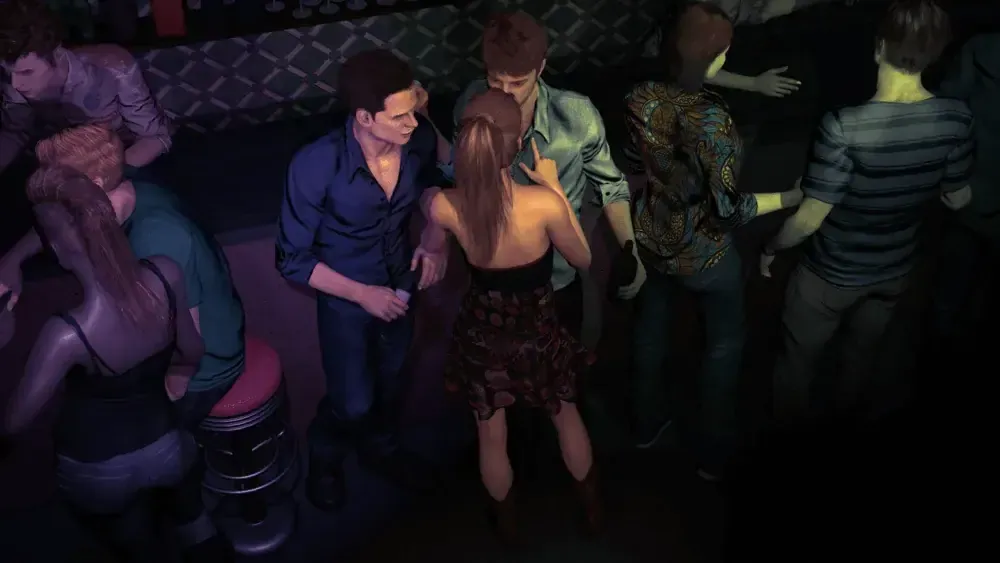
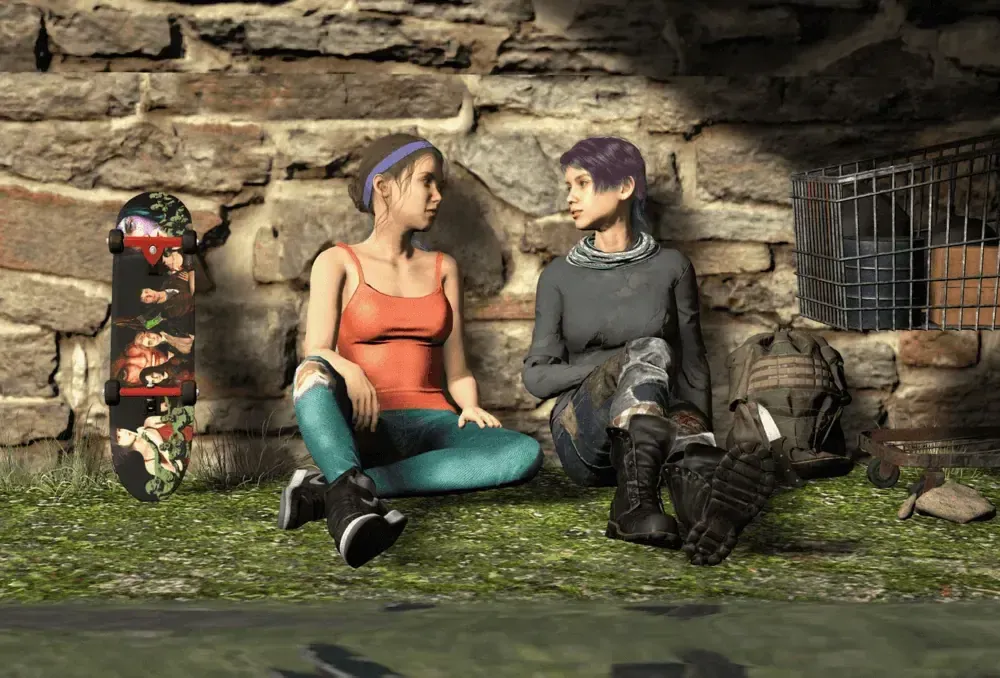
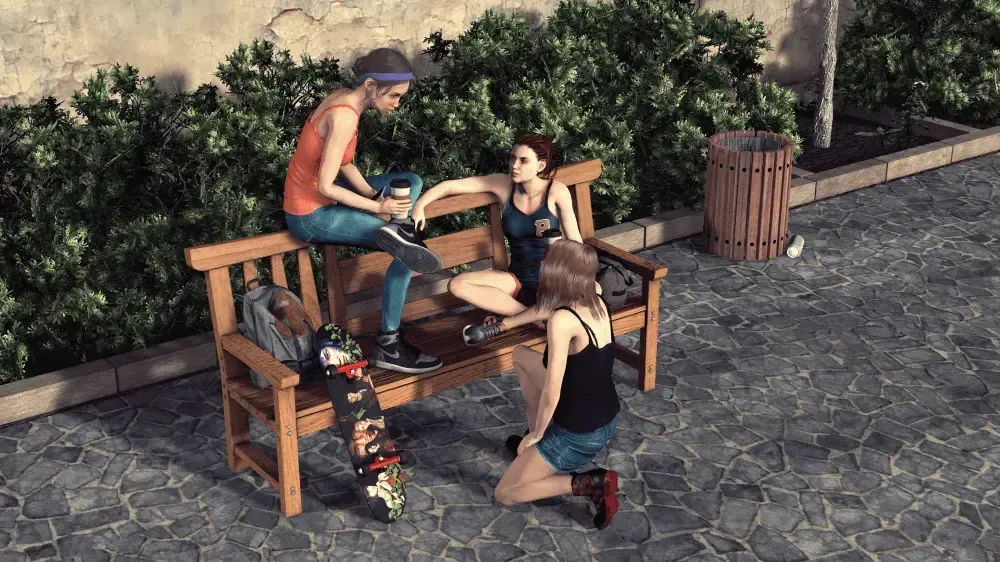
And Alice doesn’t exist in a vacuum. The game beautifully explores the group stories of young adults in a city—friends and acquaintances each wrestling with their own versions of loneliness, ambition, and connection. These interwoven stories make the world feel lived-in and real. Later, the narrative introduces more colorful characters, including aspiring performers, with a light, almost humorous touch. Any suggestive content is handled with a cheeky innocence, focusing on the absurdity and awkwardness of the situations rather than anything graphic. It’s a reminder that the game is about all facets of life, the silly alongside the sad.
Intimate Moments and Emotional Payoffs
So, where’s the addiction if there are no big rewards? It’s in the emotional payoffs. An “intimate moment” in Short Sad Stories might be Alice finally sharing a childhood memory while you both watch a sunset, or a friend admitting their fears over a late-night text chain. These scenes are powerful because you feel like you’ve earned that trust through your previous, seemingly small choices.
This is where the branching storylines visual novel structure shines for replayability. While the core plot points remain, your relationships can end up in drastically different places. Will you guide Alice toward a reconciliation with a part of her past, or will she find solace in a beautiful, lonely fantasy she’s built for herself? 🏙️✨ The endings are less about success/failure and more about answering: “What kind of emotional resolution feels right for this journey?”
My actionable advice for your playthrough:
Save often, and in different slots! This isn’t just for “mistakes,” but to bookmark emotional branching points you’ll want to revisit.
On your next run, prioritize a different relationship. Focus entirely on one friend’s storyline and see how it changes your perspective on Alice’s main arc.
Talk to everyone. Click on everything. The richest Short Sad Stories gameplay secrets are hidden in the quietest observations.
In the end, Short Sad Stories is a game about feelings. It uses its mechanics not to test your puzzle-solving skills, but your emotional intelligence. It asks you to listen, to care about the small things, and to understand that sometimes, the most significant choice is whether to hold on or let go of a simple piece of paper.
FAQ: Your Short Sad Stories Questions Answered
| Question | Answer |
|---|---|
| How long is Short Sad Stories? | The full experience includes 9 core chapters, plus a substantial free demo that lets you dive into the first few hours of the story. |
| Does it have multiple endings? | Yes! While it follows a central narrative, your visual novel choices significantly influence relationship outcomes and the emotional tone of Alice’s conclusion, offering high replay value. |
| Is it free to play? | You can try the extensive demo for free. The full, complete version of the game is available for purchase to unlock all chapters and endings. |
Short Sad Stories isn’t just a game—it’s an emotional rollercoaster that sticks with you, from Alice’s tangled relationships to those quiet moments of introspection. Through its clever choices and intertwined tales of young adults facing life’s curveballs, it reminds us that growth often comes wrapped in sadness and hope. I still catch myself thinking about my last playthrough, where one decision opened up a path of unexpected connection. If you’re ready to feel deeply and make choices that matter, grab the final version with DLC and dive in today. Your heart (and replay button) will thank you—what ending will you uncover first?