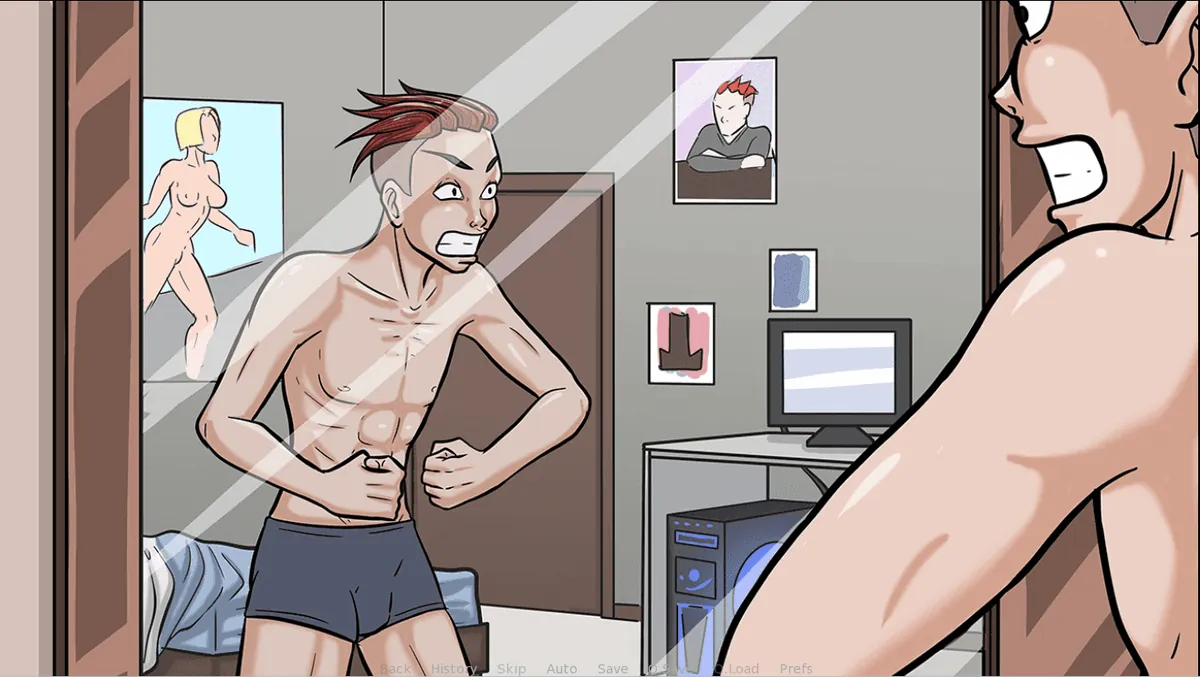
The Silver Lining
Play The Silver Lining
The Silver Lining Screenshots


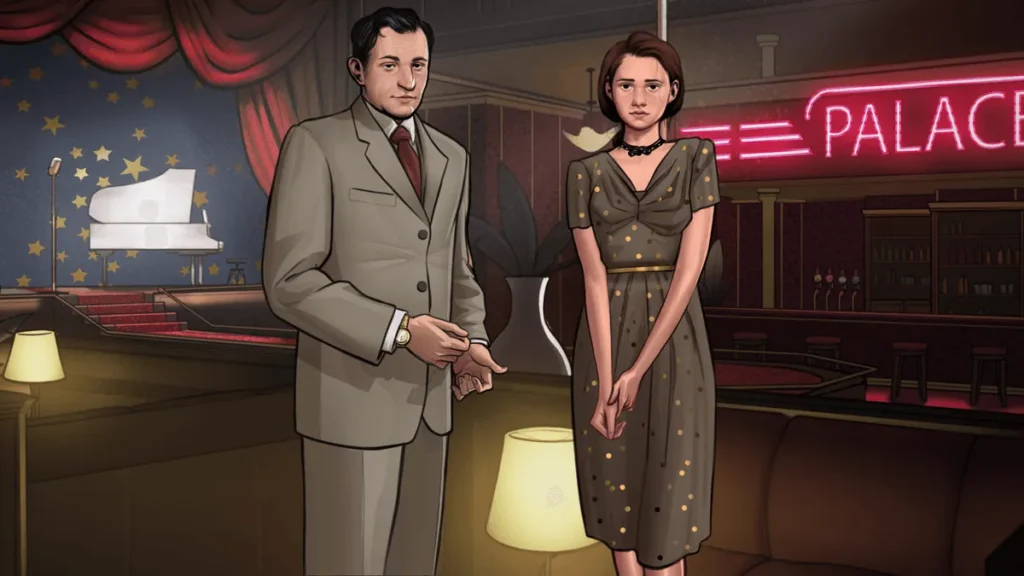
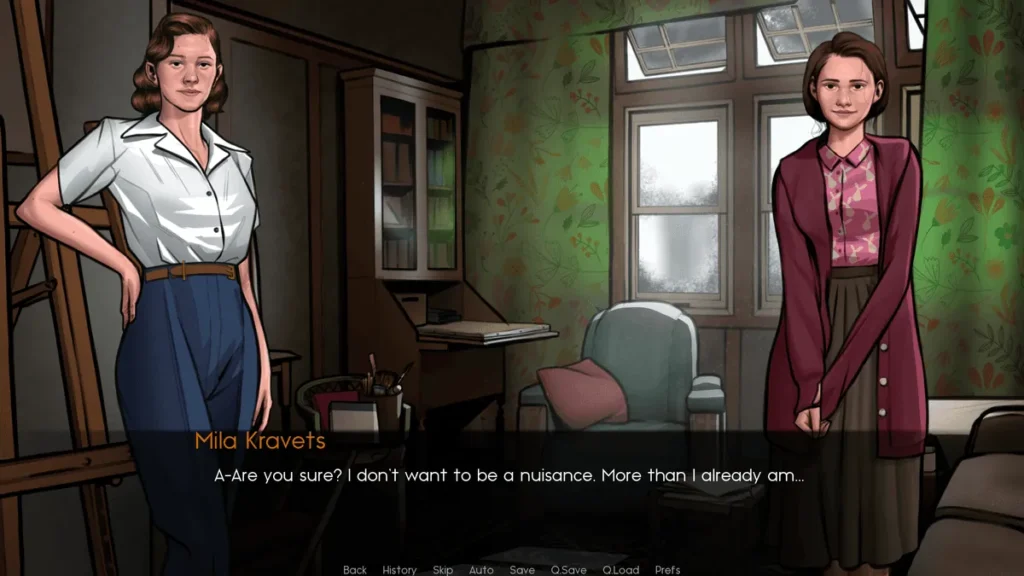

The Silver Lining review
Story, gameplay, choices and what to expect from The Silver Lining
When people first hear about The Silver Lining, they often expect just another shallow adult title built around shock value. In reality, The Silver Lining is a character-driven game that mixes mature themes with narrative choices, relationship building, and slow-burn tension. In this guide, I’ll walk you through how the game works, what feels unique about its storytelling, how explicit it actually gets, and the kinds of players who tend to enjoy it most. I’ll also share some personal impressions from my own playthrough so you can decide if The Silver Lining fits what you’re looking for.
What Is The Silver Lining Game All About?
So, you’ve heard the name, maybe seen some intriguing artwork, and you’re wondering: what is The Silver Lining all about? 🤔 If you’re picturing a standard game with jump scares or complex skill trees, think again. This is a deep, character-driven journey where your choices are the real controller.
At its heart, The Silver Lining game is an adult visual novel built on atmosphere, relationships, and consequence. You’ll step into a world that feels familiar yet charged with unspoken tension, guiding a protagonist through a pivotal summer where every conversation, every glance, and every decision you make can subtly alter the path forward. It’s less about winning and more about experiencing—and shaping—a compelling human drama.
Core premise and setting of The Silver Lining
Imagine returning to a place heavy with memory. That’s the essence of The Silver Lining story. You play as a young adult navigating the complexities of old friendships, new attractions, and personal baggage during a seemingly idyllic getaway. The setting is often intimate—a shared beach house, a local diner, a quiet coastal town—but beneath the serene surface, emotional currents run deep.
The narrative unfolds through beautifully illustrated scenes and sharp, believable dialogue. Your primary interaction is choosing what to say or do in key moments. These choices range from playful banter and supportive gestures to more selfish or confrontational options. There’s no timer, no quick-time event. The gameplay loop is a satisfying rhythm of immersion: read, reflect, choose, and watch as the story organically branches based on your accumulated decisions. You’ll unlock new scenes, deepen bonds with certain characters, and gradually reveal the layers of each person’s story.
The tone is a masterful mix. It can be playful and warm in one scene, then shift to introspective or charged with dramatic tension the next. It’s a slow-burn experience, trusting that the payoff of a meaningful connection or a heartbreaking conflict is worth the build-up. If you’re coming for fast-paced action, you’ll be disappointed. But if you crave a narrative where your presence genuinely matters, you’re in the right place.
Quick Tip: Don’t rush. The Silver Lining rewards patience. Sit back with a drink, let the ambiance sink in, and really think about who your character is and who they want to become.
To quickly set your expectations, here’s what defines this experience:
- Genre: A choice-driven, adult visual novel focused on narrative and relationships.
- Focus: Character development, emotional stakes, and the consequences of your choices.
- Pacing: Deliberate and slow-burn, prioritizing believable relationship development.
- Tone: A nuanced blend of playful, dramatic, and introspective moments.
Main characters and relationship dynamics
The soul of The Silver Lining isn’t its plot, but its people. The Silver Lining characters are crafted with flaws, desires, and histories that make them feel startlingly real. You’re not meeting archetypes; you’re getting to know complicated individuals.
You have your core circle: the lifelong friend who might know you a little too well, the charming but enigmatic new acquaintance, the seemingly confident person hiding their own struggles. Each character has their own goals and insecurities, which naturally create conflicting dynamics. A choice that brings you closer to one person might create distance with another, or reveal a hidden rivalry.
The game excels at making these relationships evolve through small, cumulative moments. A supportive word during a vulnerable conversation, choosing to spend your afternoon with one person over another, or even the tone you use in a text message—it all adds up. The game tracks these nuances, changing how characters speak to you, what secrets they share, and ultimately, which paths become available.
| Character Archetype | Their Role in Your Story |
|---|---|
| The Old Friend | Represents your past and shared history. Choices with them often explore themes of change and whether you’ve grown apart or together. |
| The Compelling Stranger | Brings mystery and new perspectives. This relationship is often about discovery and challenging your protagonist’s worldview. |
| The Complex Love Interest | Not always a clear “yes” or “no.” Their path is intertwined with personal hurdles, making romance a narrative challenge, not just a reward. |
| The Supporting Cast | Friends, family, or locals who provide context, advice, and subplots that enrich the main story’s world. |
Here’s a personal story that shows how this works: In one of my playthroughs, there was a character, let’s call them Alex, who was always sarcastic and guarded. Early on, during a minor group argument, I was given a choice: to defuse the situation with a joke or to call out the unfair tension directly. Thinking Alex would appreciate blunt honesty, I chose the latter. It led to a short, sharp exchange. I didn’t think much of it.
Weeks later in the game’s timeline, during a crucial, quiet moment alone with Alex, they referenced that specific choice. They admitted my directness that day, while uncomfortable, made them feel seen for the first time instead of just being dismissed as “the cynical one.” That small, forgotten dialogue option had fundamentally shifted the tone of our entire relationship from one of witty barbs to one of vulnerable trust. It was a powerful reminder that in The Silver Lining, there are no throwaway lines. Everything feeds into the evolving tapestry of your connections. ✨
How adult themes are handled in The Silver Lining
This is a key question for many: how does this game approach its mature themes in The Silver Lining? It’s vital to understand that the adult content here is not a separate feature; it’s woven into the narrative’s fabric. The game is less about graphic depiction and more about emotional and relational intensity.
Mature themes in The Silver Lining—including intimacy, complex desires, and personal conflict—are framed around narrative buildup and emotional stakes. The game spends considerable time establishing who these characters are, what they want, and the trust (or tension) between you before any romantic or intimate scenes occur. When those moments do arrive, they feel like a culmination of your choices. Who you are in the story—kind, dominant, playful, hesitant—can influence how these scenes unfold, making them a reflection of the relationship you’ve built.
So, what should a new player practically expect?
- Pacing: This isn’t a rapid-fire experience. You’ll invest hours in story and character development before more explicitly intimate scenes become part of the narrative. The journey is the point.
- Intensity: The content is suggestive and mature, focusing on atmosphere, emotion, and consequence. It’s presented as a natural progression of deep character relationships.
- Coherence: In my opinion, the mix feels remarkably coherent. The mature elements serve the story, not the other way around. They are milestones in a relationship’s arc, which makes them feel earned and significant rather than gratuitous.
For players wary of adult content that feels tacked-on or purely sensational, The Silver Lining offers a refreshing, narrative-first approach. It asks you to care about the people first, making every step of their journey, including the intimate ones, matter on a human level.
So, is The Silver Lining worth playing? If you’re looking for a thoughtful, emotionally engaging story where your choices carry real weight in shaping complex relationships, then absolutely. It’s a compelling, slow-burn experience that stays with you. It treats its characters and its audience with maturity, focusing on the “why” behind every connection. Is The Silver Lining worth playing for the story alone? Without question—the mature themes are integrated parts of that story, not distractions from it.
Now that you know what this unique game is all about, you might be wondering how it all works behind the scenes. How do your choices truly branch the narrative? In the next section, we’ll peel back the curtain and dive into the clever systems that make your journey through The Silver Lining feel uniquely yours.
The Silver Lining aims to tell a character-focused story that mixes slow-build relationships, personal tension, and mature themes rather than relying only on instant gratification. If you enjoy sinking into dialogue, watching dynamics shift based on your decisions, and seeing how long-term choices shape more intimate moments, this game can feel surprisingly engaging. It is not for players looking for fast action or shallow thrills, but it can be a good fit if you prefer narrative-driven experiences with adult elements woven into the plot. If the blend of story, choice, and atmosphere sounds like your style, The Silver Lining is worth at least one full playthrough to see how your own decisions color the journey.