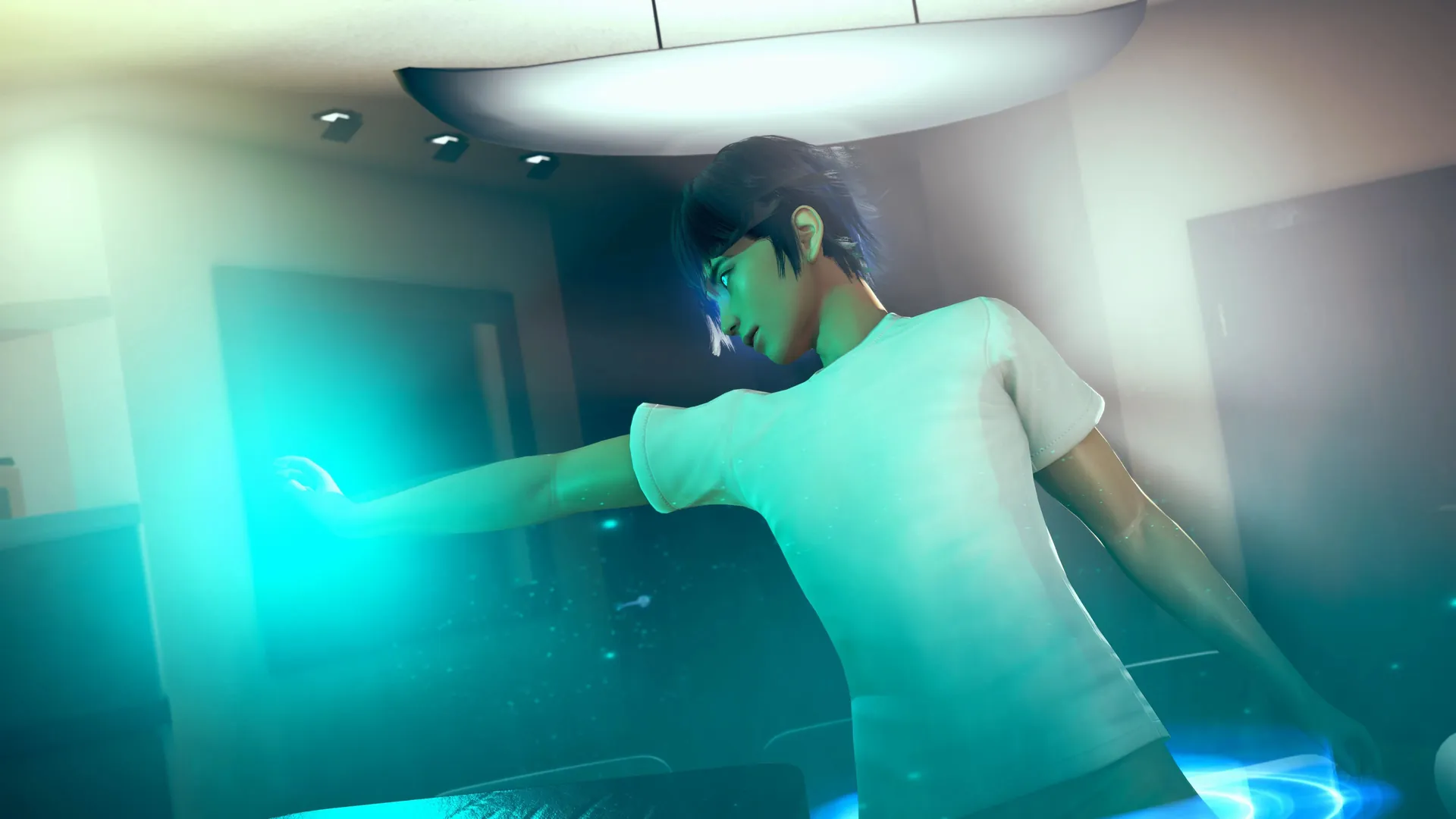
The Theater of Sinners
Play The Theater of Sinners
The Theater of Sinners Screenshots
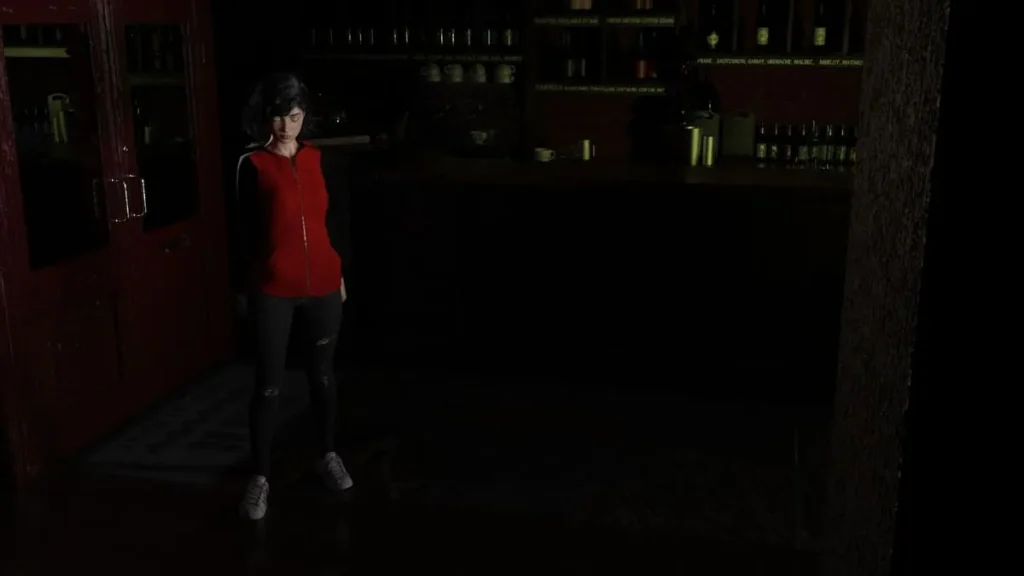
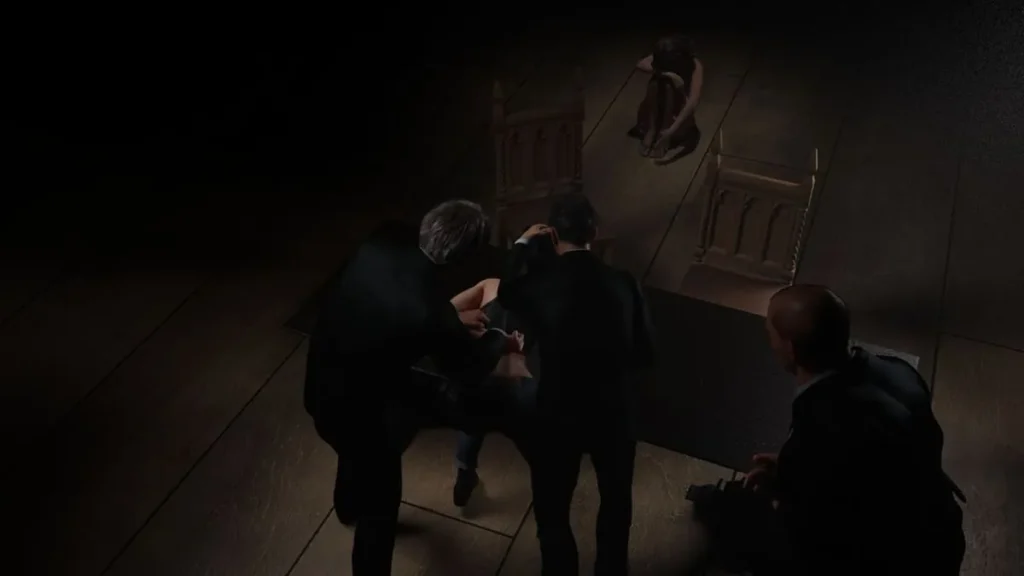
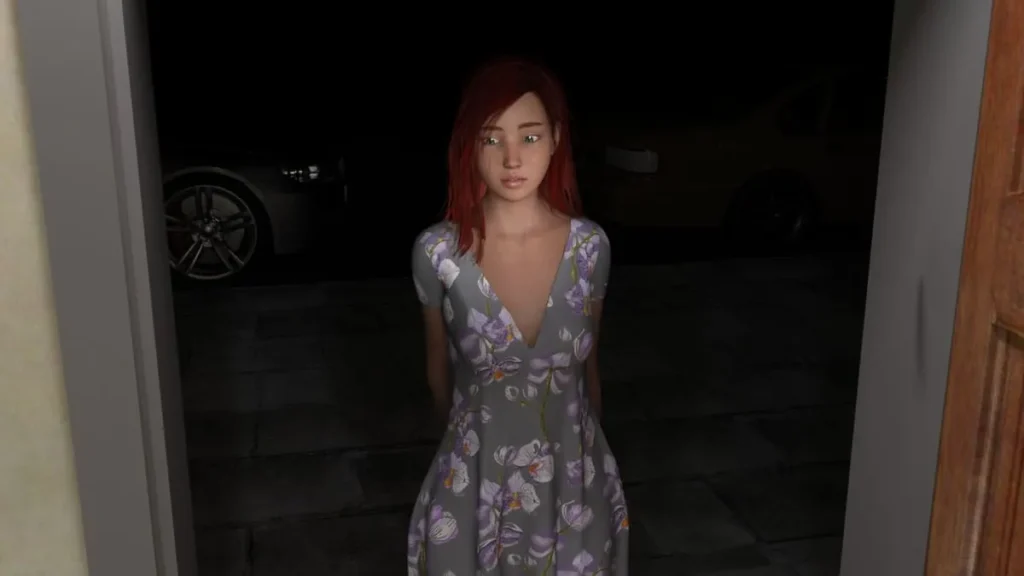
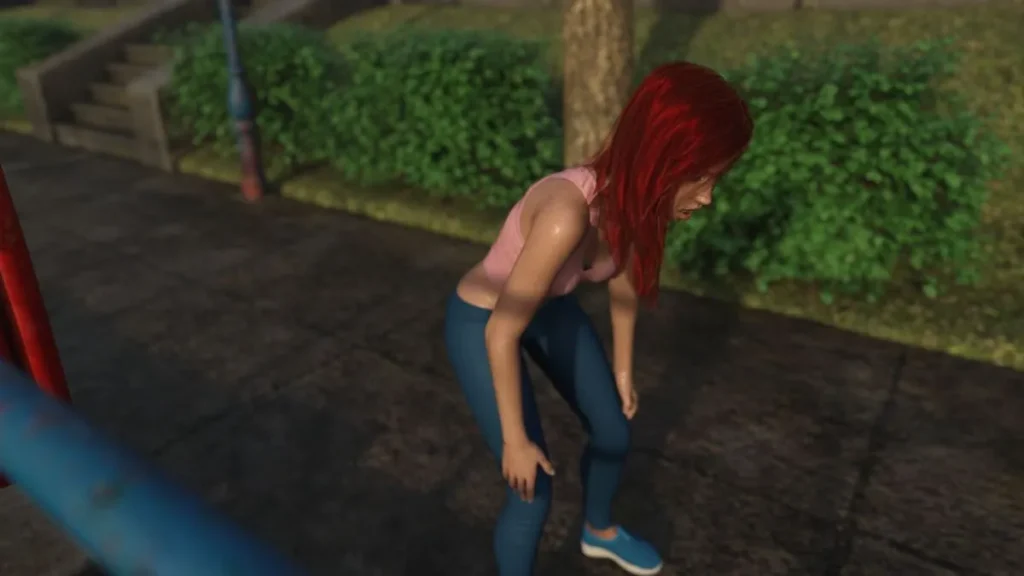
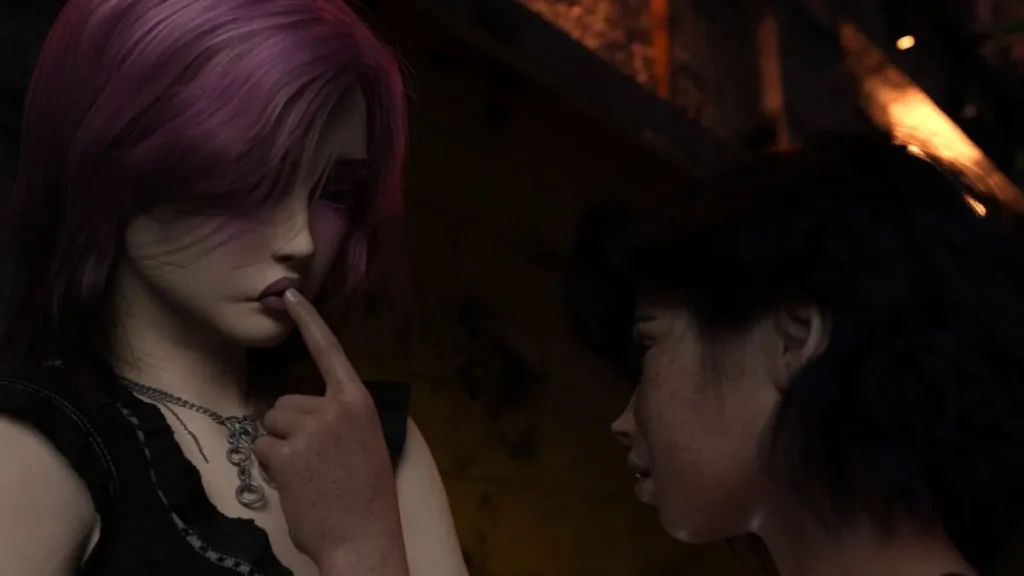

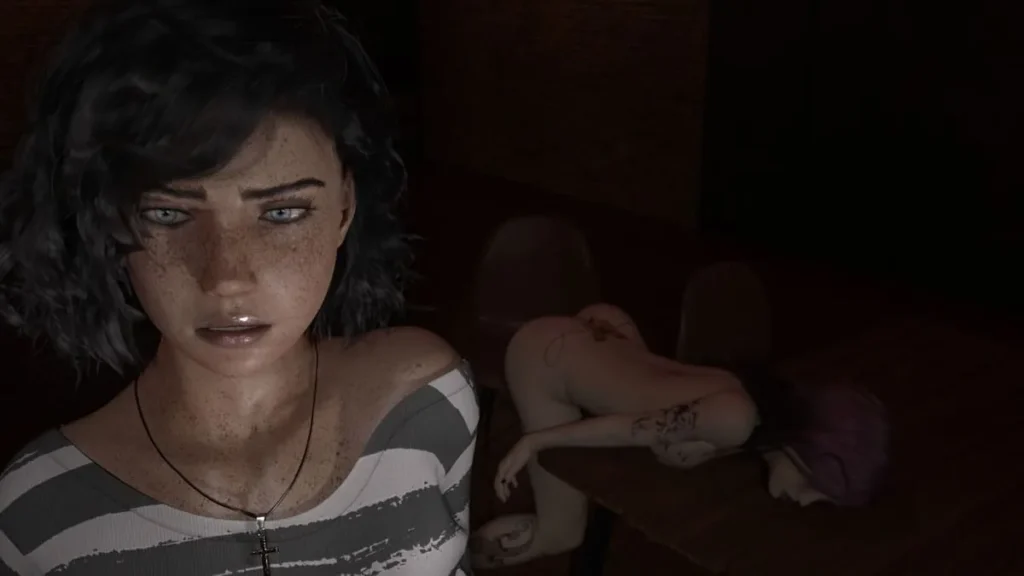



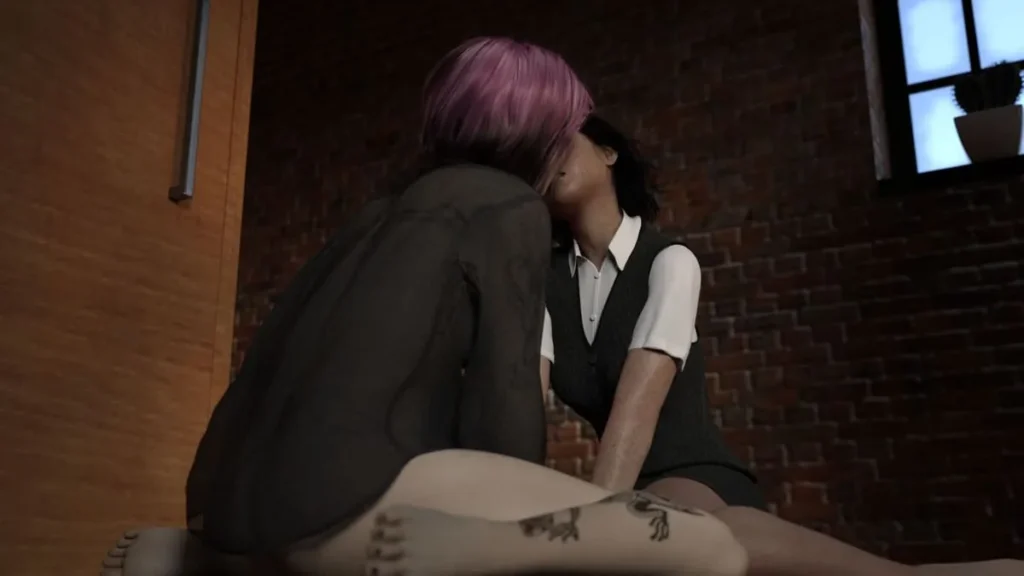
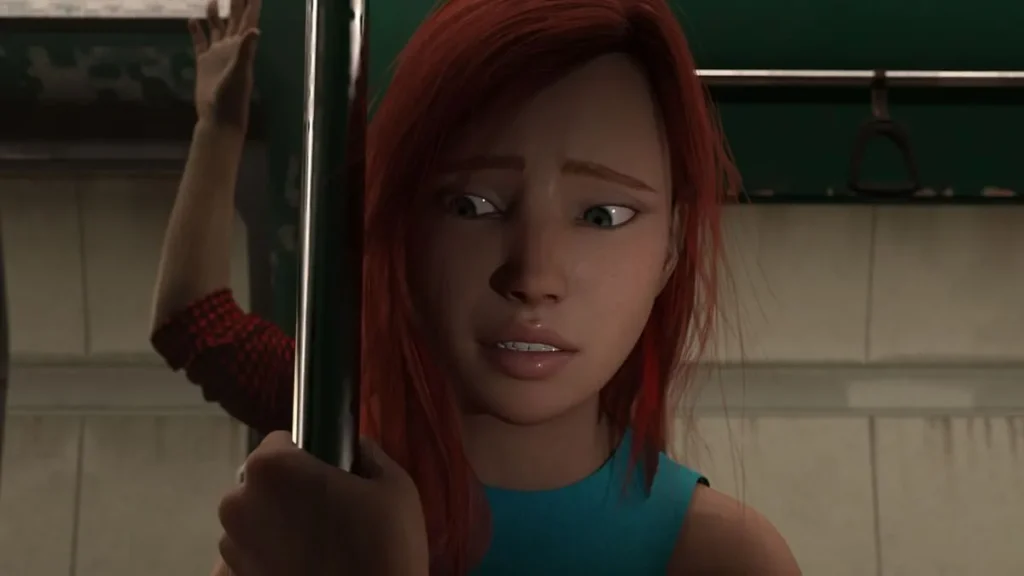


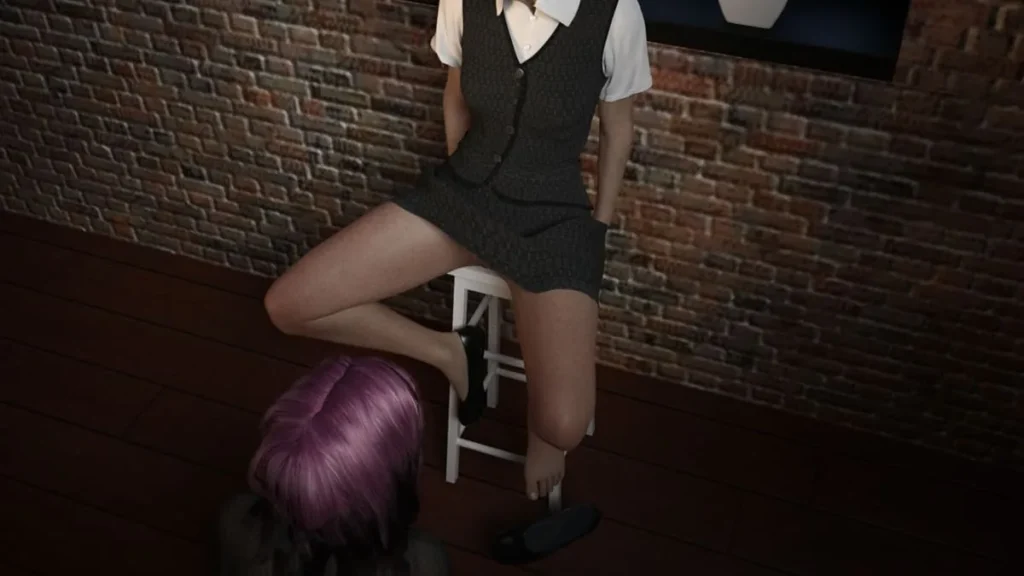
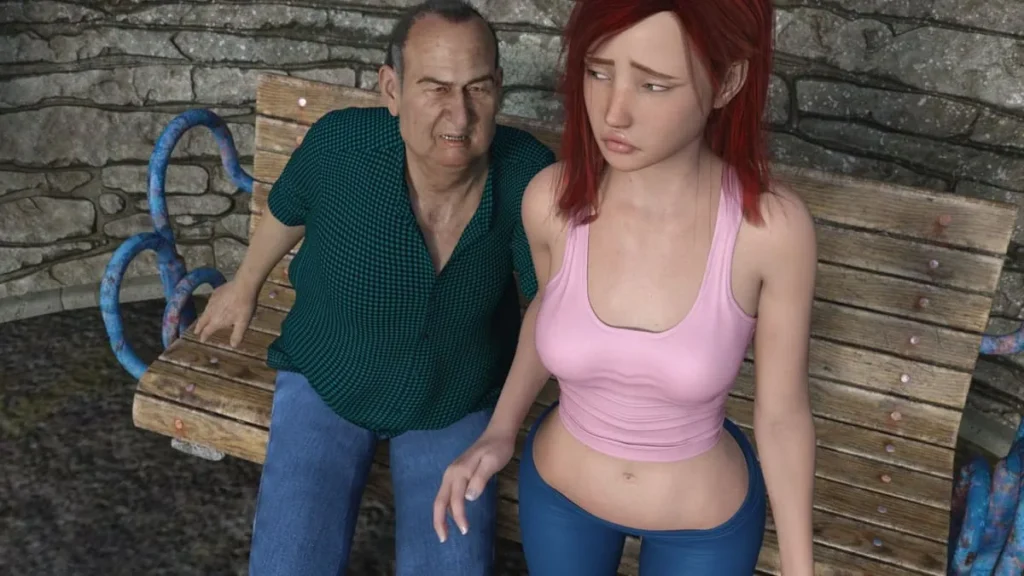
The Theater of Sinners review
Explore the dark narrative, complex characters, and decision-driven gameplay of this psychological fantasy experience
The Theater of Sinners stands out as a decision-driven visual novel that immerses players in a morally ambiguous world where choices carry real consequences. Developed by JustXThings and currently in version 0.3 Alpha 1, this psychological fantasy experience explores themes of corruption, humiliation, and redemption through the interleaved stories of four protagonists. Unlike traditional games that present clear moral paths, The Theater of Sinners challenges players to navigate a complex narrative filled with nuanced characters and unexpected outcomes. Whether you’re drawn to dark storytelling, character-driven plots, or interactive fiction that respects player agency, this guide covers everything you need to know about what makes this game compelling and how it delivers a unique narrative experience.
Understanding The Theater of Sinners: Gameplay, Story, and Core Mechanics
What Makes The Theater of Sinners Different From Other Visual Novels
Let’s be honest—most visual novels are pretty straightforward. You read, you pick an option that’s clearly labeled “Good” or “Bad,” and you watch the story unfold predictably. 🎭 The Theater of Sinners throws that entire playbook out the window. This isn’t a cozy romance or a simple mystery; it’s a deep, unsettling dive into a psychological fantasy horror game that asks you to navigate a world where every shadow holds a secret and every smile might hide a blade.
At its core, this is a Ren’Py visual novel experience, but one that uses that familiar framework to build something profoundly unique. While many games in the genre offer choices, The Theater of Sinners makes those choices the entire point of the experience. There are no flashing arrows pointing you toward a “better” ending. Instead, you’re given control of characters who are, in many ways, broken—and your decisions are about steering their brokenness, for better or worse.
I remember starting my first playthrough, thinking I had a good handle on how to “win.” I chose what seemed like the safe, diplomatic option in an early confrontation. Hours later, that same decision came back in the most brutal way, locking me out of a character’s trust entirely and sending the story spiraling in a direction I never intended. That’s the game’s first major lesson: your intentions don’t matter, only the consequences.
The game’s dark fantasy setting is a character in itself—a place where psychological torment blends with supernatural elements, creating a constant sense of unease. This isn’t horror with jump scares; it’s horror built on dread, on the slow realization that your choices are weaving a tapestry you can’t see the full picture of until it’s too late. The The Theater of Sinners gameplay is designed to make you feel the weight of every single action.
How Decision-Based Gameplay Shapes Your Experience
The heart and soul of The Theater of Sinners is its decision-based visual novel mechanics. This is a consequence-driven narrative game in the truest sense. Forget paragon and renegade meters; here, your choices subtly raise invisible character stats that fundamentally alter how the story perceives you and what paths become available.
Tip: There is no “right” choice, only your choice. The game remembers everything, even the small, seemingly insignificant dialogues.
Let me give you a concrete example from my own painful learning curve. Early on, you interact with Paula, a young woman trying to navigate a dangerous social circle. In a seemingly innocuous scene, you can encourage her to be more assertive or advise her to keep her head down. I chose “assertive,” thinking I was helping her gain confidence. This raised a hidden “Defiance” stat for Paula.
Much later, during a critical, high-tension standoff with a powerful antagonist, Paula had a choice: comply under threat or stand her ground. Because of that early stat boost, the option to stand her ground was highlighted and almost inevitable. She did, heroically. And it got another character, someone I was trying to protect, seriously hurt. The game didn’t flash a warning; it simply presented the outcome of a chain I had set in motion hours before. My “good” intention led to a terrible, irreversible outcome. That’s the branching storyline game philosophy in action—your early decisions plant seeds for late-game plot trees you might not even see growing.
This is how the system works:
* Stat-Based Evolution: Key decisions raise stats like Cynicism, Empathy, Courage, or Submission. These aren’t morality flags; they’re personality shapers.
* Pathway Locking/Opening: Certain story events, dialogue options, and even whole character routes will only trigger if a specific stat has reached a sufficient level. You can literally talk your way into a new storyline or shut yourself out of one with your accumulated behavioral history.
* Non-Linear Unlocks: The game’s four main stories can be played in almost any order. Choices you make in Rebecca’s tale can subtly alter the context of a scene you see later in Paula’s, creating a wonderfully interconnected and replayable world.
This The Theater of Sinners gameplay loop creates an unparalleled sense of responsibility. You’re not guiding a avatar; you’re shaping a person within a complex web of relationships and traumas. The psychological fantasy horror game elements feed directly into this—the external horrors often mirror the internal conflicts your decisions are exacerbating or alleviating.
The Four Protagonists and Their Interconnected Stories
What truly elevates The Theater of Sinners beyond a simple choice experiment is its rich cast of The Theater of Sinners characters. You don’t play as one hero; you step into the shoes of four distinct protagonists, each trapped in their own personal hell. Their stories are separate yet brilliantly intertwined, painting a complete picture of a corrupt and haunting world.
The genius of the structure is that you can jump between their narratives. Playing Rebecca’s grim backstory will cast Paula’s present-day struggles in a new light. Seeing an event from Mark’s cynical perspective then re-experiencing it through Anne’s naive eyes is a masterclass in narrative depth. Flashbacks aren’t just cutscenes; they are vital keys you earn through choices, unlocking the “why” behind a character’s fears and flaws.
To understand the scope of your role, let’s break down the core quartet:
| Character | Background & Core Struggle | How Player Decisions Shape Their Path |
|---|---|---|
| Paula | The daughter of a powerful, corrupt figure. She is intellectually gifted but emotionally stifled, desperately seeking genuine connection outside her gilded cage, which leads her to a group of dangerous delinquents. | Decisions focus on balancing her inherited cunning with her naive desire for rebellion. Will she use her mind to manipulate her new friends, or will she be consumed by their chaos? Choices build stats like “Calculation” or “Recklessness,” determining whether she becomes a mastermind or a victim of her own escape plan. |
| Rebecca 😔 | Shaped by a profoundly abusive upbringing, she views aggression and control as the only forms of strength. Her struggle is internal: a battle between the hardened survivor she had to become and the remnants of someone who yearns for safety and kindness. | This is perhaps the most delicate journey. Your choices can incrementally lower her “Hostility” stat or reinforce it. A series of compassionate choices might open a path toward vulnerability, while aggressive choices will cement her worldview, leading to more brutal and self-destructive story branches. |
| Mark | A pragmatic and deeply cynical young man, worn down by a system that rewards cruelty. He believes he’s just looking out for himself, but is constantly faced with situations that test his jaded philosophy. | Will your decisions reinforce his cynical armor, or will you find moments to spark his dormant empathy? Choosing pragmatic, self-serving options builds “Cynicism,” unlocking routes of cold efficiency. Riskier, altruistic choices build “Empathy,” leading to more dangerous but emotionally rewarding connections. |
| Anne ✨ | Appears fragile and naive, clinging to a worldview of optimism that seems completely at odds with the darkness around her. Her struggle is the preservation of her spirit in a world that seems designed to crush it. | Here, decisions often feel like you’re protecting a flame in a storm. Choices can build “Idealism” or “Doubt.” Will she maintain her hopeful perspective, potentially disarming others with her genuineness? Or will the relentless horror of her environment shatter her illusions, leading to a tragic loss of innocence or a surprising new strength? |
This interconnected web is what makes the branching storyline game mechanics so powerful. You’re not just managing one life; you’re managing four, and the ripples from one story inevitably touch the others. Helping Rebecca find a moment of peace might create a small safe haven that Anne stumbles upon later. Conversely, pushing Mark deeper into his cynicism might make him the very antagonist that causes Paula’s plan to fail.
The Ren’Py visual novel experience is the perfect vehicle for this intimate, character-focused storytelling. The engine allows for seamless perspective shifts, stat tracking across multiple protagonists, and a narrative density that would be cumbersome in a more action-oriented format. It’s all in service of pulling you deeper into the psychological fantasy horror game atmosphere, making you complicit in the fates of these sinners.
Bringing Your Journey to Life & Technical Footing
Ultimately, The Theater of Sinners is about crafting a story that feels uniquely and uncomfortably yours. Its commitment to consequence-driven narrative game principles means no two playthroughs are alike. You will make choices that haunt you, discover connections that shock you, and hopefully, find moments of fragile light in the overwhelming dark. It’s a demanding, emotionally engaging experience that respects your intelligence and burdens you with true narrative agency.
The game is readily accessible for players to begin their own bespoke tragedy. It’s available on all major desktop platforms:
* Windows
* macOS
* Linux
The project is under active development, with the creator consistently refining the narrative and adding depth to this already complex world. This means the tapestry of consequences you weave today might have even more threads to pull in future updates.
So, if you’re ready to step beyond simple good/evil binaries and into a theater where every role is fraught with peril and every decision echoes in the dark, your stage is set. The curtain is rising on The Theater of Sinners. 🩸 What story will you tell?
The Theater of Sinners delivers a compelling narrative experience that prioritizes character development and meaningful player agency over traditional game mechanics. By combining psychological depth with dark storytelling, the game creates an immersive world where your choices genuinely matter and consequences feel real. The decision-driven structure, complex protagonists, and morally ambiguous themes make it a standout entry in the visual novel genre for players seeking stories that challenge their judgments and explore the complexity of human nature. If you’re interested in interactive fiction that respects player intelligence and delivers unpredictable outcomes, The Theater of Sinners offers a thought-provoking experience worth exploring. The game continues to evolve through active development, promising even more depth and narrative branches in future updates.