
To Be A King – Volume 1 Screenshots















To Be A King – Volume 1 review
Explore Empire Management, Romance, and Political Intrigue in This Adult Visual Novel
To Be A King Volume 1 stands out as a sophisticated adult visual novel that blends empire management with deep narrative storytelling. This game invites players to assume the role of a rising ruler in a Roman empire setting, where strategic decision-making directly impacts your political standing, military strength, and romantic relationships. Unlike traditional visual novels that focus solely on character interactions, To Be A King Volume 1 integrates complex systems for managing your empire, navigating political intrigue, forming alliances, and building relationships with multiple characters. Whether you’re drawn to strategy elements, character development, or immersive storytelling, this guide explores what makes To Be A King Volume 1 a compelling experience for players seeking depth beyond surface-level gameplay.
Gameplay Mechanics and Empire Management in To Be A King Volume 1
Ever feel like you’re just along for the ride in a story, watching events unfold without any real say? That was my biggest fear when I first booted up To Be A King – Volume 1. I expected beautiful art, a compelling story set against the backdrop of the Roman Empire, and maybe some romantic choices. What I did not expect was to be genuinely stressed about my grain reserves or to spend an hour agonizing over which minor noble to slight at a feast to gain leverage with another. This isn’t just a visual novel with pretty pictures and branching dialogues; it’s a deep, hands-on simulation of power. The genius of To Be A King Volume 1 empire management is how it seamlessly blends strategic decision-making with personal narrative, making you feel every ounce of the crown’s weight.
At its heart, the game presents a stunningly intricate puzzle where every choice ripples outwards. Your To Be A King resource management decisions directly fund your military ambitions. Your political intrigue gameplay mechanics successes unlock new diplomatic options. It’s a brilliantly interconnected system that transforms you from a passive reader into an active emperor. This chapter is your personal guide through the throne room and the war room, breaking down exactly how to not just survive, but thrive. We’ll move beyond simple click-through choices and dive into the real strategies that define this Roman empire visual novel strategy experience.
How Empire Management Systems Work 🏛️
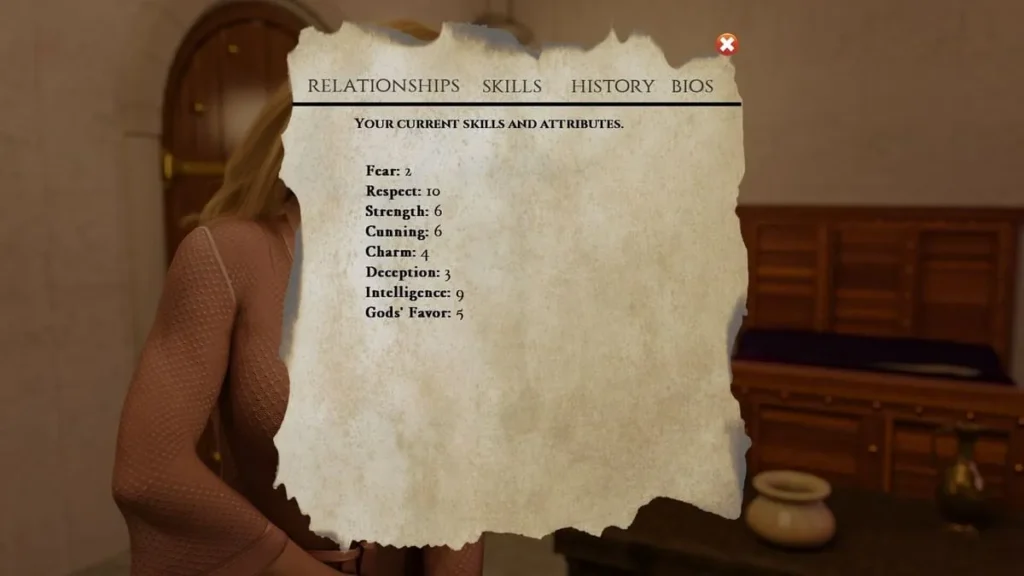
Forget static menus and simple +100 gold clicks. The To Be A King Volume 1 empire management system is a living, breathing engine that powers your entire reign. Think of your empire not as a collection of stats, but as a complex organism with needs, moods, and a dangerous memory.
The core of your power rests on three pillars, constantly vying for your attention:
* Wealth (Denarii): The lifeblood of expansion and patronage.
* Imperial Favor (The People’s & Senate’s Love): Your popularity meter and political shield.
* Military Might (Legion Strength & Morale): Your final argument and primary deterrent.
Early on, I made a classic mistake. I taxed my provinces heavily to fund a glorious new forum, thinking the people would love the eventual result. My coffers swelled, but my Imperial Favor with the commoners plummeted. By the next season, unrest was brewing, and I had to spend even more Denarii on games and grain dole to calm the riots—neglecting my legion upgrades in the process. It was a brutal, perfect lesson. This visual novel empire building gameplay demands balance and foresight.
Your provinces are more than just income sources; they are assets with individual traits. A fertile province might give bonus food, reducing unrest, while a mountainous one provides better defensive bonuses or metal for weapons. Managing them isn’t a set-and-forget task. You’ll receive event prompts: “Governor of Hispania requests funds for road repairs. Improves trade income but costs 500 Denarii.” Do you invest for long-term gain or conserve cash for an impending military crisis? These micro-decisions are the fabric of how to manage empire To Be A King.
To give you a clear overview of how these systems interact, here’s a breakdown of the core mechanics:
| Core System | Key Resources & Metrics | Primary Player Actions | Impact on Gameplay |
|---|---|---|---|
| Empire Management | Denarii (Wealth), Food Supply, Provincial Loyalty, Infrastructure Levels | Setting taxes, funding constructions, appointing governors, managing edicts | Directly controls economic health and internal stability. Poor management leads to rebellion and bankruptcy. |
| Diplomacy & Alliances | Faction Standing, Diplomatic Capital, Treaty Terms, Marriage Pacts | Negotiating treaties, offering gifts, arranging marriages, forming defensive leagues | Secures borders, enables trade routes, and provides military support. Essential for long-term survival. |
| Military Command | Legion Strength, Commander Loyalty, Morale, Equipment Level | Recruiting troops, commissioning equipment, planning campaigns, choosing battle tactics | Enables expansion and deters enemies. A weak military makes you a target, regardless of your wealth. |
| Relationships & Court | Character Affection, Trust, Leverage (Secrets), Political Debt | Private conversations, gift-giving, fulfilling promises, blackmail, romantic pursuits | Unlocks critical information, secures key votes in the Senate, and turns rivals into assets. The human element of power. |
The true mastery comes from understanding the connections between these columns. For example, high Provincial Loyalty (Empire Management) makes it easier to recruit troops there (Military). A successful Marriage Pact (Diplomacy) might permanently increase a Faction Standing, giving you more leeway in the Senate (Relationships). This interconnectedness is what makes the To Be A King Volume 1 empire management feel so authentic and immersive. You’re not managing sliders; you’re steering a vast, unpredictable ship through stormy seas. 🌊
Strategic Decision-Making and Political Intrigue 🎭
If resource management is the body of your empire, then the political intrigue gameplay mechanics are its nervous system—a constant, subtle, and often deadly web of influence. The Senate floor is as treacherous as any battlefield, and a well-placed rumor can be more effective than a legion.
Every character of note belongs to a faction—the Traditionalists, the Military Bloc, the Populists, the Mercantile League. Each has its own desires: lower taxes for the poor, more wars for glory, trade monopolies, or strict adherence to old customs. Your choices will inevitably please one and anger another. The game brilliantly represents this through a Political Capital system, a currency of influence and debt. Passing a law favored by the Military Bloc might cost you Capital with the Pacifist Traditionalists, which you’ll need to earn back by, say, appointing one of their members as a judge.
My Pro Tip: Always keep a mental (or actual) list of the “favors” you owe and are owed. The game remembers, and calling in a political debt at the right moment can save your reign.
My most memorable lesson in intrigue involved a seemingly innocuous dinner party. A senior senator, Cassius, approached me with “concerns” about the loyalty of my trusted military legate, Marcus. He offered no proof, just sly whispers. I could publicly dismiss his claims (angering Cassius’s powerful faction), privately investigate Marcus (costing time and resources), or pretend to agree and use this as leverage against Marcus later. I chose to investigate, discovering Marcus was clean but that Cassius was deeply in debt to a foreign merchant. I confronted Cassius not with the original rumor, but with his financial secrets, turning him from a critic into a deeply indebted ally. This is the essence of the Roman empire visual novel strategy—turning hidden information into power.
The intrigue extends to your romantic pursuits as well. Pursuing a relationship with the daughter of a rival faction leader isn’t just a personal choice; it’s a high-stakes political maneuver that can spark a crisis or broker an unexpected peace. The game never lets you forget that your heart and your crown are inextricably linked. This depth is what separates To Be A King from typical narratives; every dialogue choice, every gift given, every secret learned is a move on the grand chessboard of power.
Building Alliances and Managing Warfare ⚔️
You cannot rule by fear and legions alone. A wise emperor knows that a strong alliance can prevent a war, and a well-chosen enemy can unite a fractured realm. The To Be A King alliance building system is a delicate dance of give-and-take, far removed from simple “ally/enemy” buttons.
Alliances aren’t just defensive pacts; they are multifaceted agreements. You might negotiate a military access treaty allowing your troops to move through an ally’s lands, a trade agreement granting you a percentage of their luxury goods income, or a research pact that speeds up your technological advancements. Each term has a cost, usually in concessions of your own. The system forces you to think: “Is granting them exclusive rights to the tin mines worth having their cavalry flank my enemy?”
This To Be A King alliance building system is deeply tied to the characters. An alliance sealed only on paper is fragile. One sealed by a marriage to a character you’ve built a genuine relationship with is far stronger. I once had a purely economic alliance with a neighboring kingdom crumble overnight when their king died and his heir, whom I’d neglected to befriend, took a hostile view of our “exploitative” trade deal. I learned that in this game, you invest in people, not just treaties.
When diplomacy fails, warfare becomes your final argument. But even war is not a mindless affair of big numbers beating small numbers. The To Be A King resource management loop kicks into high gear. Each legion has an upkeep cost in Denarii and Food. Sending them on campaign drains these resources rapidly. You must choose:
* Do you conscript new troops, quickly boosting numbers but lowering province loyalty and troop quality?
* Do you invest in veteran equipment, creating a smaller but elite force that costs more upfront?
* Do you hire mercenary bands, a quick, expensive fix that leaves no long-term military infrastructure?
Battle outcomes are influenced by preparation, troop morale (itself affected by your empire’s stability and recent wins), commander loyalty, and the tactical choices you make during event-based battle sequences. A larger force with low morale and a disloyal general can shatter against a smaller, determined enemy holding a fortified pass. This approach makes every conflict feel consequential and deeply rooted in your broader management strategy.
Ultimately, the goal is synergy. A web of strong alliances secures your borders, allowing you to focus your military on one front. Successful military campaigns bring in plunder and new provinces, boosting your wealth to fund better alliances or internal projects. It’s a virtuous cycle that, when mastered, makes you feel like a true architect of history. You’re not just reading about the Roman Empire; you’re meticulously, personally building your own version of it, one fraught decision, clever alliance, and hard-fought battle at a time.
The To Be A King Volume 1 empire management experience is a masterclass in interactive storytelling. It proves that a visual novel can carry incredible strategic depth, marrying the intimate human drama of courtly romance with the vast, logistical challenges of ruling an ancient superpower. It challenges you to be not just a reader, not just a lover, but a economist, a spymaster, a diplomat, and a general. The crown is heavy, but for those willing to learn its rhythms, the thrill of power has never been more immersive or more rewarding. Your empire awaits, Caesar.
To Be A King Volume 1 delivers a rich and immersive experience that transcends typical visual novel conventions by combining intricate empire management with meaningful character relationships. The game’s depth lies in its interconnected systems where political decisions influence romantic outcomes, and relationship choices impact your empire’s stability and diplomatic standing. Players seeking a sophisticated blend of strategy, narrative complexity, and character-driven storytelling will find To Be A King Volume 1 offers substantial replay value through its branching choices and multiple relationship paths. Whether you’re drawn to the strategic empire-building elements, the nuanced character interactions, or the overarching narrative of political ambition and personal connection, this visual novel provides a compelling experience that rewards thoughtful decision-making and emotional investment. For those interested in exploring adult visual novels with genuine gameplay depth and narrative substance, To Be A King Volume 1 represents a standout title that justifies its reputation within the community.